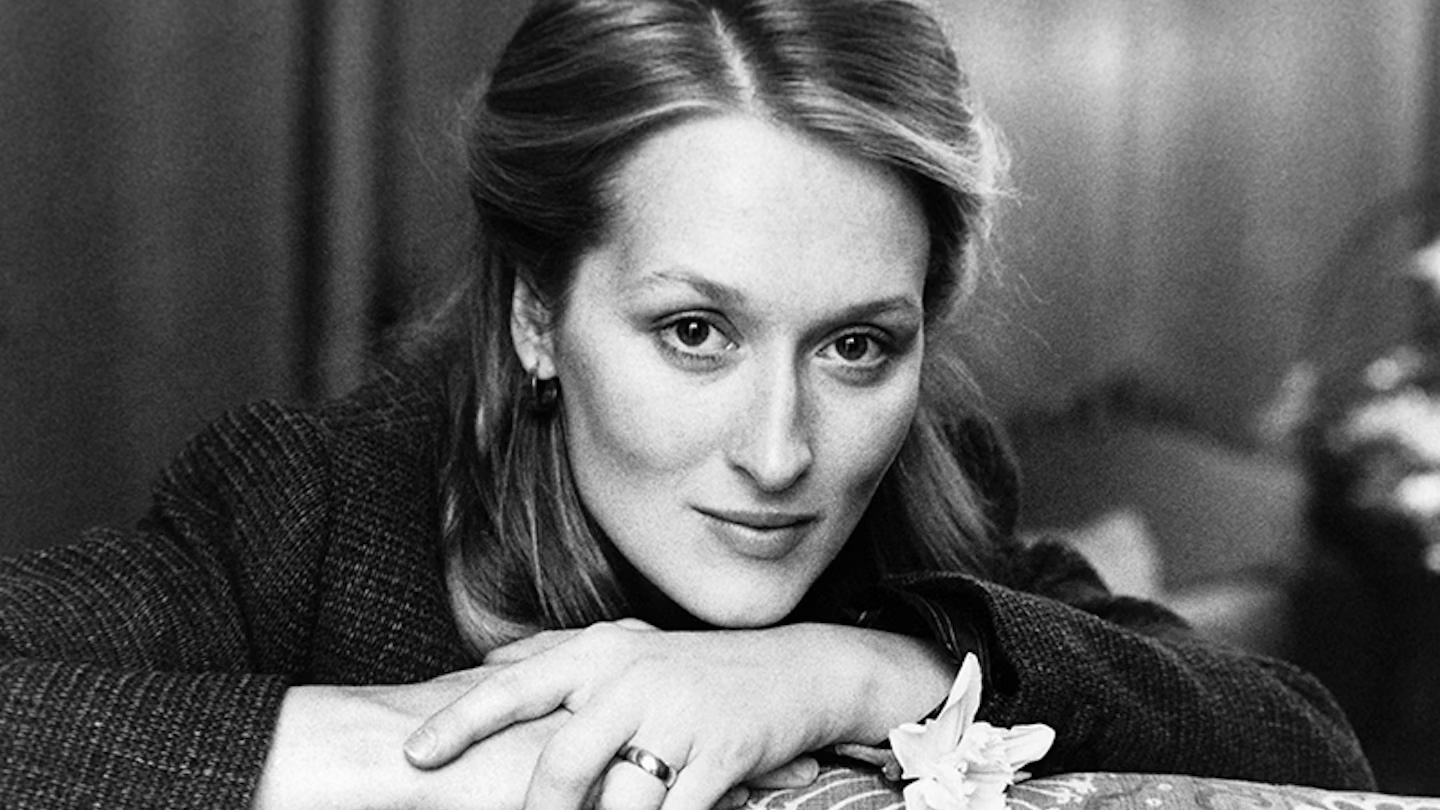
If there is one name that consistently rises above trends, generations, and even changing definitions of stardom, it is Meryl Streep. Her career is not just long; it is layered, refined, and almost textbook-perfect in how an actor can evolve without losing authenticity. From intense dramatic roles to light comedic performances, Meryl Streep has built a legacy that feels both timeless and deeply human.
What makes her story so compelling is not just the awards or recognition, but the consistency. Many actors shine briefly; she has remained relevant for decades. And that alone makes studying Meryl Streep feel like studying the history of modern cinema itself.
Early Life and Artistic Foundations
Before she became a global icon, Meryl Streep was simply a young woman with a strong curiosity for storytelling. Born in the United States, she showed an early interest in performing arts, especially theatre and classical drama.
Her academic journey led her to Yale School of Drama, one of the most respected institutions for acting training. There, she refined her technique, particularly in areas like character analysis, vocal control, emotional expression, and stage performance.
Some early influences that shaped Meryl Streep include:
- Classical theatre traditions
- Shakespearean performance styles
- Method acting principles
- European cinema storytelling
- American stage drama
- Psychological character study
- Voice modulation techniques
- Improvisational theatre exercises
Even during her early training, professors recognized something unusual: a rare combination of discipline and emotional intelligence.
BIO: Meryl Streep
| Category | Details |
|---|---|
| Full Name | Mary Louise Streep |
| Date of Birth | June 22, 1949 |
| Age | 75 (approx.) |
| Profession | Actress, Performer |
| Nationality | American |
| Net Worth (approx.) | $160 million |
| Notable Works / Achievements | The Devil Wears Prada, Sophie’s Choice, Kramer vs. Kramer, Mamma Mia!, Multiple Academy Awards and Golden Globes |
The Breakthrough of Meryl Streep
The rise of Meryl Streep in Hollywood was not accidental. It was gradual, built on critically acclaimed performances that quickly set her apart. Unlike many emerging actors who rely on image, she relied entirely on craft.
Her breakthrough came in the late 1970s, where she impressed audiences and critics with her ability to fully inhabit roles. Whether it was emotional drama or subtle dialogue-driven scenes, Meryl Streep displayed unmatched control.
Key early career strengths included:
- Emotional depth in dialogue delivery
- Natural screen presence
- Strong adaptability to different genres
- Mastery of accents and dialects
- Precise body language
- Strong chemistry with co-actors
- Exceptional memorization of complex scripts
This period established Meryl Streep as a serious performer rather than just a rising star.
Meryl Streep and Her Signature Acting Style
One of the most discussed aspects of Meryl Streep is her acting style. Unlike performers who rely on repetition, she approaches every role as a completely new psychological study.
Key characteristics of her performance style:
- Deep character immersion
- Emotional realism
- Accent accuracy
- Subtle facial expressions
- Controlled intensity
- Strong narrative understanding
- Versatility across genres
- Attention to script detail
In many ways, Meryl Streep redefined what it means to be a versatile actress in Hollywood. Her ability to switch between tragedy, comedy, romance, and drama without losing authenticity is rare.
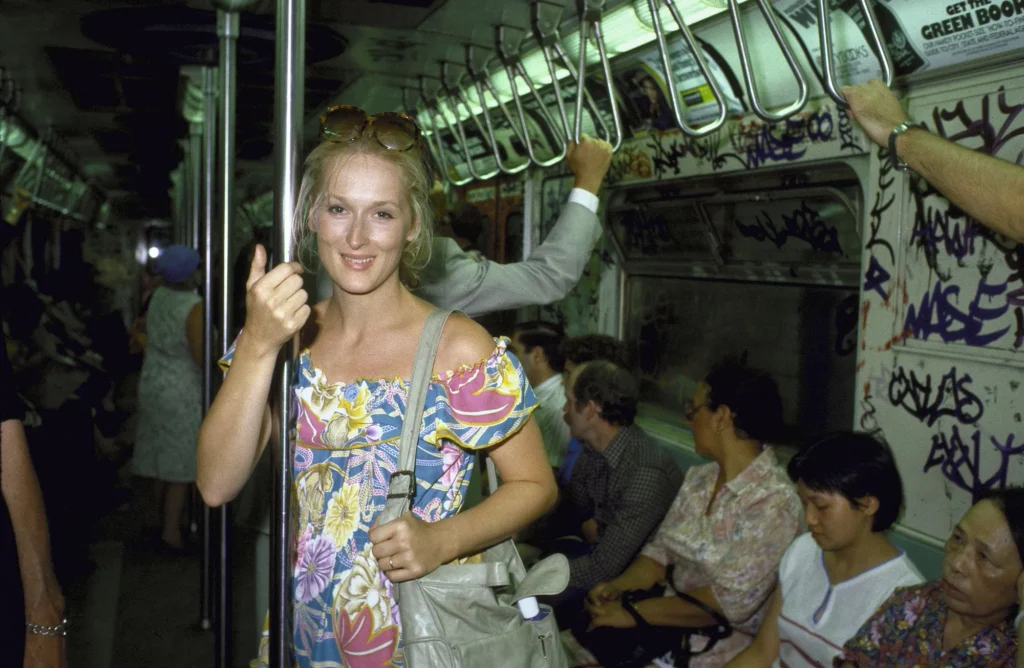
Iconic Films That Defined Her Career
The filmography of Meryl Streep reads like a history of modern cinema excellence. Each decade brought new challenges and unforgettable performances.
Kramer vs. Kramer
This film marked a turning point in her career. It showcased emotional vulnerability and complex storytelling. The role demanded sensitivity, and Meryl Streep delivered it with extraordinary precision.
Sophie’s Choice
Often considered one of her greatest performances, this role required emotional intensity and psychological depth. It remains one of the most studied performances in acting schools.
The Devil Wears Prada
Here, Meryl Streep surprised audiences again. Instead of drama-heavy intensity, she delivered a sharp, controlled, and elegant performance as a powerful editor-in-chief. Her portrayal became culturally iconic.
Mamma Mia!
This role showed a lighter side of Meryl Streep, proving her ability to embrace musical comedy while maintaining emotional credibility.
Why Meryl Streep Is Considered a Living Legend
There are several reasons why Meryl Streep is often referred to as one of the greatest actors of all time:
- Exceptional consistency across decades
- Ability to reinvent herself
- Wide emotional range
- Strong critical recognition
- Influence on younger actors
- Cultural impact on global cinema
- Mastery of both film and theatre
- Respect from directors and peers
Few actors maintain such a balance between commercial success and artistic integrity.
Awards, Recognition, and Global Impact
The career of Meryl Streep is decorated with numerous awards, including Academy Awards, Golden Globes, and international honors. However, what stands out more than the number is the consistency of recognition.
Her achievements reflect:
- Outstanding acting versatility
- Contribution to cinematic arts
- Long-term industry influence
- Global cultural relevance
- Critical acclaim across generations
Even today, Meryl Streep continues to receive nominations and praise, proving her lasting relevance.
Meryl Streep and the Art of Transformation
One of the most fascinating aspects of Meryl Streep is her transformation ability. She does not repeat characters; she rebuilds them entirely.
This transformation often involves:
- Accent training
- Physical adjustments
- Psychological research
- Historical context study
- Voice modulation practice
- Character backstory development
This level of dedication is why directors frequently describe working with Meryl Streep as both inspiring and educational.
Influence on Modern Cinema
The impact of Meryl Streep goes far beyond her individual roles. She has influenced:
- Acting methodology in film schools
- Female representation in Hollywood
- Standards of performance excellence
- Casting expectations for dramatic roles
- Industry perception of aging actresses
- Global appreciation of character-driven cinema
Many contemporary actors cite Meryl Streep as a major inspiration for their own careers.
Meryl Streep in Theatre and Stage Performance
Although widely known for film, Meryl Streep has deep roots in theatre. Her stage performances contributed significantly to her acting foundation.
Theatre helped her develop:
- Strong vocal projection
- Real-time emotional control
- Audience connection skills
- Timing and rhythm
- Script interpretation depth
Even in film, traces of her theatre background remain visible in her structured and deliberate performances.
The Lasting Legacy of Meryl Streep
The legacy of Meryl Streep is not defined by a single role or award. It is defined by consistency, evolution, and artistic integrity. She has shown that acting is not about fame but about truth in performance.
Even after decades in the industry, Meryl Streep continues to inspire audiences and actors alike. Her career serves as a blueprint for excellence, proving that dedication and authenticity can create a timeless legacy.
Conclusion
When we reflect on the journey of Meryl Streep, we are not just looking at a career; we are observing a masterclass in acting history. Her performances have shaped modern cinema, influenced generations of performers, and set standards that remain unmatched.
From emotional dramas to light-hearted musicals, Meryl Streep has shown that true artistry lies in transformation and sincerity. Her work continues to resonate because it feels real, grounded, and deeply human.