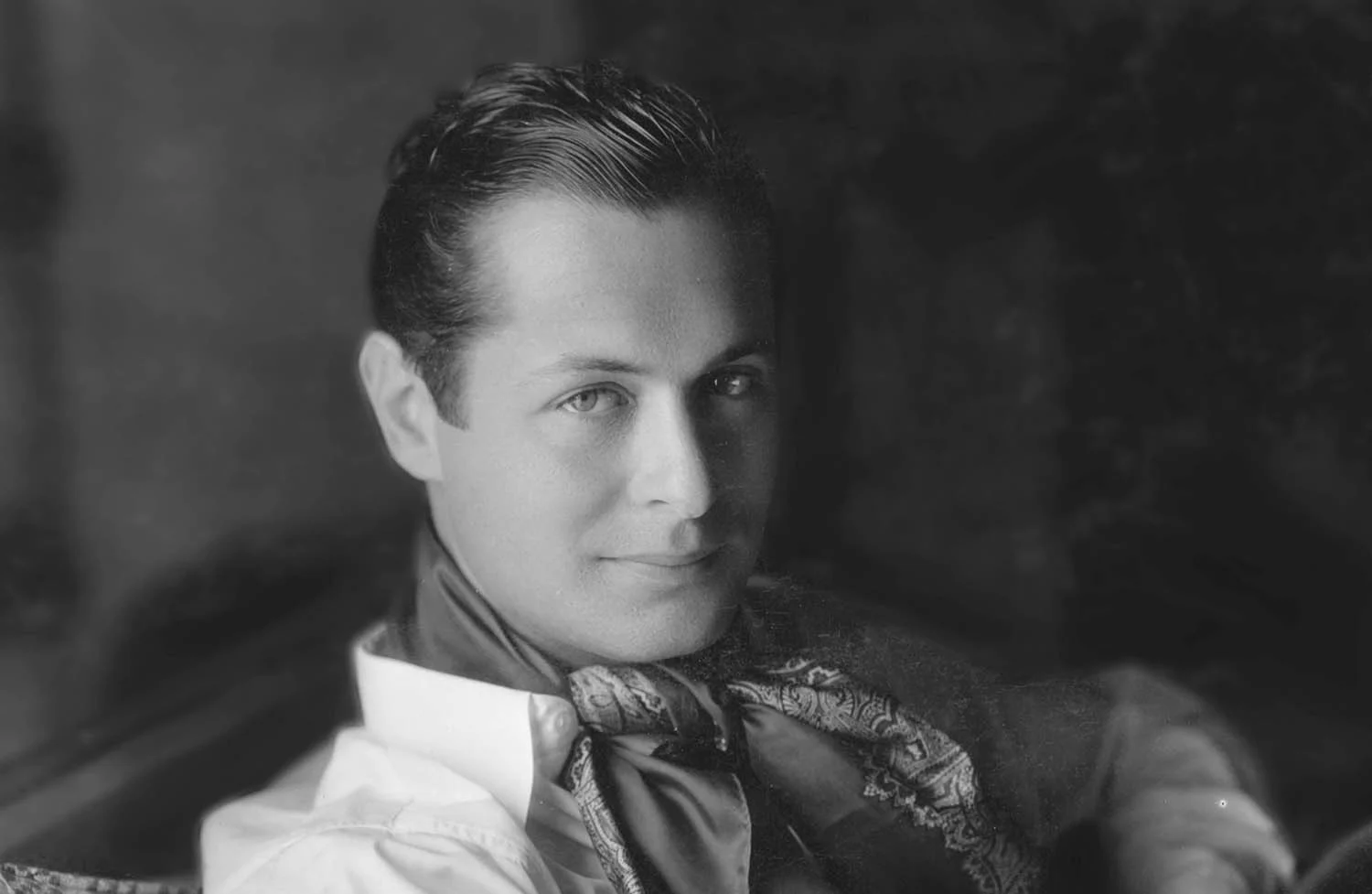
Classic Hollywood created many unforgettable stars, but only a few managed to leave a legacy that continued long after the cameras stopped rolling. Robert Montgomery belongs to that select group. He was more than just a handsome leading man from the golden age of cinema. He was an actor, director, producer, and television pioneer whose influence quietly shaped parts of modern entertainment.
When people discuss legendary Hollywood figures, names like Humphrey Bogart or Cary Grant often dominate the conversation. However, Robert Montgomery built a career that was equally fascinating in its own way. His journey through film and television reflected ambition, creativity, and a willingness to evolve with changing times.
In this article, we explore the complete story of Robert Montgomery, including his rise in Hollywood, his most important achievements, his acting style, and the legacy he left behind in American entertainment.
Robert Montgomery Biography
| Detail | Information |
|---|---|
| Full Name | Henry Montgomery Jr. |
| Stage Name | Robert Montgomery |
| Date of Birth | May 21, 1904 |
| Age | Passed away in 1981 at age 77 |
| Profession | Actor, Director, Producer |
| Nationality | American |
| Net Worth (approx.) | Estimated multi-million dollar estate during career peak |
| Notable Works / Achievements | Night Must Fall, Lady in the Lake, Here Comes Mr. Jordan, television pioneer |
The Early Life of Robert Montgomery
Before Robert Montgomery became a Hollywood success story, he lived a life shaped by personal struggles and determination. Born Henry Montgomery Jr., he experienced financial difficulties early in life after his father’s death.
Those experiences helped shape the ambitious personality that later defined his career. Unlike some actors who stumbled into fame accidentally, Robert Montgomery worked hard to build his place in the entertainment industry.
Early Interests and Ambitions
From a young age, Robert Montgomery showed interest in performance and storytelling. Theater became his first serious step into acting, and it eventually opened doors to Hollywood opportunities.
During the late 1920s, the film industry was rapidly changing. Silent movies were giving way to sound films, and studios were searching for fresh talent. Robert Montgomery arrived at the perfect moment.
Robert Montgomery’s Rise in Hollywood
The transition from stage actor to movie star happened relatively quickly for Robert Montgomery. MGM recognized his charm, confidence, and ability to adapt to different roles.
Why Audiences Connected With Him
Robert Montgomery had a natural screen presence that made viewers feel comfortable. He could play sophisticated gentlemen, troubled heroes, romantic leads, or morally complicated characters without losing authenticity.
That versatility became one of the defining features of his career.
Key Factors Behind His Success
- Strong acting range
- Natural charisma
- Elegant screen presence
- Ability to handle drama and comedy
- Consistent professionalism
These qualities helped Robert Montgomery remain relevant throughout multiple decades in Hollywood.
Robert Montgomery and Classic Hollywood
The golden age of cinema was filled with glamorous personalities, but Robert Montgomery managed to stand out because he brought intelligence into many of his performances.
Unlike actors who relied only on appearance, he focused heavily on character depth and emotional realism.
A Different Kind of Leading Man
Many classic Hollywood stars were known for larger-than-life personalities. Robert Montgomery, however, often played more thoughtful and emotionally layered characters.
That subtle approach made his performances age remarkably well.
Best Robert Montgomery Films
A discussion about Robert Montgomery would be incomplete without looking at some of his most important films.
1. Night Must Fall (1937)
This psychological thriller remains one of Robert Montgomery’s finest performances.
Why It Matters
He played a deeply unsettling and manipulative character with remarkable control. The role showcased a darker side of his acting abilities.
Highlights
- Psychological intensity
- Complex character work
- Emotional tension
- Critical acclaim
Many film historians still consider this one of Robert Montgomery’s greatest achievements.
2. Here Comes Mr. Jordan (1941)
This fantasy-comedy film became one of the defining movies of Robert Montgomery’s career.
A Blend of Humor and Emotion
His performance balanced comedy with sincerity, which made the story feel emotionally grounded.
Why Audiences Loved It
- Charming storytelling
- Warm emotional tone
- Strong chemistry with the cast
- Memorable comedic moments
The film earned multiple Academy Award nominations and remains a beloved classic.
3. Lady in the Lake (1947)
This film stands out because Robert Montgomery directed and starred in it.

A Bold Cinematic Experiment
The movie used a first-person camera perspective, allowing audiences to experience events directly through the protagonist’s eyes.
At the time, this was considered highly innovative.
Why It Was Important
- Experimental filmmaking
- Unique storytelling approach
- Directorial ambition
- Film noir atmosphere
Even today, filmmakers study the creative risks Robert Montgomery took in this project.
Robert Montgomery as a Director
Acting was only one part of Robert Montgomery’s career. He also became a respected director.
Transition Behind the Camera
Many actors struggle when moving into directing, but Robert Montgomery approached filmmaking thoughtfully.
He understood performance, pacing, and audience engagement.
Directorial Strengths
- Creative storytelling
- Strong visual style
- Emotional balance
- Technical experimentation
His directing career proved he was much more than a traditional movie star.
Robert Montgomery and Television
One of the most fascinating chapters of Robert Montgomery’s career was his work in television.
At a time when many film actors ignored television, Robert Montgomery embraced it.
Television Pioneer
He hosted and appeared in Robert Montgomery Presents, an influential television anthology series.
This move helped bridge the gap between film and television during a period when TV was still developing its identity.
Why This Was Significant
- Expanded his audience
- Introduced cinematic storytelling to television
- Influenced future television production styles
- Showed adaptability in changing media environments
Robert Montgomery understood early that television would become a major cultural force.
Robert Montgomery’s Acting Style
One reason Robert Montgomery remains respected today is his acting technique.
Natural Performance Approach
His acting rarely felt exaggerated. Instead, he focused on realism and emotional subtlety.
Emotional Intelligence
Robert Montgomery understood how to communicate emotion through silence, expression, and timing rather than dramatic speeches.
Versatility
He moved comfortably between:
- Drama
- Romance
- Comedy
- Thriller
- Mystery
That versatility helped him maintain a long-lasting career.
Personal Life and Public Image
Like many Hollywood stars of his era, Robert Montgomery lived part of his life under public scrutiny. However, he generally maintained a respectable and professional reputation.
Family and Relationships
He was also known as the father of actress Elizabeth Montgomery, who later became famous for her role in Bewitched.
This connection helped extend the Montgomery family’s presence in entertainment history.
Robert Montgomery’s Influence on Hollywood
Although modern audiences may not always mention his name immediately, Robert Montgomery influenced several areas of entertainment.
Areas of Influence
Acting Style
His restrained performances influenced later generations of actors.
Television Innovation
He helped legitimize television as a serious storytelling medium.
Directorial Creativity
His willingness to experiment inspired filmmakers interested in visual storytelling.
Challenges During His Career
No long Hollywood career comes without challenges, and Robert Montgomery faced several.
Industry Changes
As cinema evolved, actors from the classic studio system had to adapt. Robert Montgomery handled these transitions better than many of his contemporaries.
Competition
Hollywood during the 1930s and 1940s was filled with talented stars competing for major roles.
Still, Robert Montgomery managed to carve out a distinct identity.
Why Robert Montgomery Still Matters Today
Younger audiences discovering classic cinema often find Robert Montgomery surprisingly modern in his performances.
Why?
Because his acting feels genuine.
Instead of relying on theatrical gestures common in early Hollywood, he often delivered performances that feel closer to modern acting standards.
That timeless quality keeps his work relevant.
Important Qualities That Defined Robert Montgomery
Professionalism
He consistently delivered strong performances across different genres.
Creativity
As both actor and director, he explored new storytelling methods.
Longevity
He successfully adapted to changes in entertainment over several decades.
Authenticity
His performances rarely felt artificial or forced.
Robert Montgomery’s Legacy in Entertainment
The entertainment industry changes quickly, but certain figures continue to influence cinema long after their careers end. Robert Montgomery belongs in that category.
Lasting Contributions
- Helped shape classic Hollywood storytelling
- Contributed to early television innovation
- Delivered timeless performances
- Inspired future actors and directors
His career serves as an example of artistic adaptability and creative ambition.
Classic Robert Montgomery Films Worth Watching
If you want to explore Robert Montgomery’s work further, these films are excellent starting points:
- Night Must Fall
- Here Comes Mr. Jordan
- Lady in the Lake
- The Earl of Chicago
- Ride the Pink Horse
- They Were Expendable
Each project reveals a different side of Robert Montgomery’s talent.
Final Thoughts on Robert Montgomery
Robert Montgomery built a career that reflected intelligence, creativity, and determination. He succeeded not only because of talent, but because he understood how entertainment was evolving.
From classic Hollywood films to groundbreaking television work, Robert Montgomery consistently pushed himself into new creative territory. His performances remain engaging, his directing choices still feel ambitious, and his influence continues quietly within film history.
Today, Robert Montgomery deserves recognition not just as a movie star, but as a storyteller who helped shape multiple eras of entertainment.
For fans of classic cinema, exploring his work offers more than nostalgia. It offers a deeper understanding of how Hollywood evolved and how one actor successfully adapted to those changes.