Some actors arrive in Hollywood and chase fame. Others quietly build something far more powerful: respect. Robert Duvall belongs firmly in the second category. His career is not defined by noise or spectacle, but by consistency, precision, and an almost invisible level of craft that separates good actors from truly great ones.
When people talk about the greatest American actors of all time, Robert Duvall is always part of that conversation. Not because he seeks attention, but because his work demands it. Whether he is playing a calm but dangerous military officer or a broken man searching for meaning, Robert Duvall always feels real on screen.
What makes Robert Duvall especially fascinating is how naturally his legacy developed. There was no sudden explosion of fame, just a steady climb built on unforgettable performances, strong choices, and deep artistic discipline.
In this article, we explore how Robert Duvall became a Hollywood legend and why his influence still shapes modern cinema.
BIO of Robert Duvall
| Information | Details |
|---|---|
| Full Name | Robert Selden Duvall |
| Date of Birth | January 5, 1931 |
| Age | 94 (approx.) |
| Profession | Actor, director, producer |
| Nationality | American |
| Net Worth | Approx. $70 million |
| Notable Works | The Godfather, Apocalypse Now, Tender Mercies, The Apostle |
Early life and the making of Robert Duvall
Before Robert Duvall became a Hollywood icon, he was just a young man discovering his passion for acting. He didn’t grow up in a glamorous environment, and Hollywood success was far from guaranteed.
However, what set Robert Duvall apart early on was discipline. He studied acting seriously and treated it like a craft rather than a shortcut to fame. That mindset would later become the foundation of his entire career.
He trained in theatre and developed a strong understanding of character work. Unlike many actors who rely on charm or looks, Robert Duvall focused on realism and emotional truth.
Even in his early days, it was clear that Robert Duvall was building something long-term, not temporary.
Breakthrough and early Hollywood recognition
Robert Duvall’s early film appearances were subtle but powerful. He often played quiet or supporting characters, but his presence always stood out.
Directors quickly noticed something different about him. He didn’t overact. He didn’t try to dominate scenes. Instead, Robert Duvall made every moment feel authentic.
This approach led to more opportunities, and slowly he began working with some of the most respected filmmakers in Hollywood.
But the real turning point was just around the corner.
The Godfather and global recognition
Everything changed for Robert Duvall with The Godfather. His role as Tom Hagen remains one of the most iconic supporting performances in film history.
He wasn’t the loudest character in the film, but he was one of the most important. Calm, intelligent, and always controlled, Robert Duvall brought a quiet authority that balanced the chaos of the Corleone family.
Why this role was crucial:
- It introduced Robert Duvall to global audiences
- It showcased his subtle acting style
- It placed him in a legendary film franchise
- It solidified his reputation in Hollywood
From this moment, Robert Duvall was no longer just a character actor. He was part of cinematic history.
Robert Duvall in Apocalypse Now
If The Godfather made him famous, Apocalypse Now made Robert Duvall unforgettable.
His portrayal of Lieutenant Colonel Kilgore is one of the most quoted performances in film history. The character is both charismatic and unsettling, delivering lines that became instantly iconic.
“Robert Duvall loves the smell of napalm in the morning” became more than a line—it became a cultural reference.
This role showed a completely different side of Robert Duvall. He could be calm in one moment and explosive in the next, blending intensity with precision.
Awards and recognition
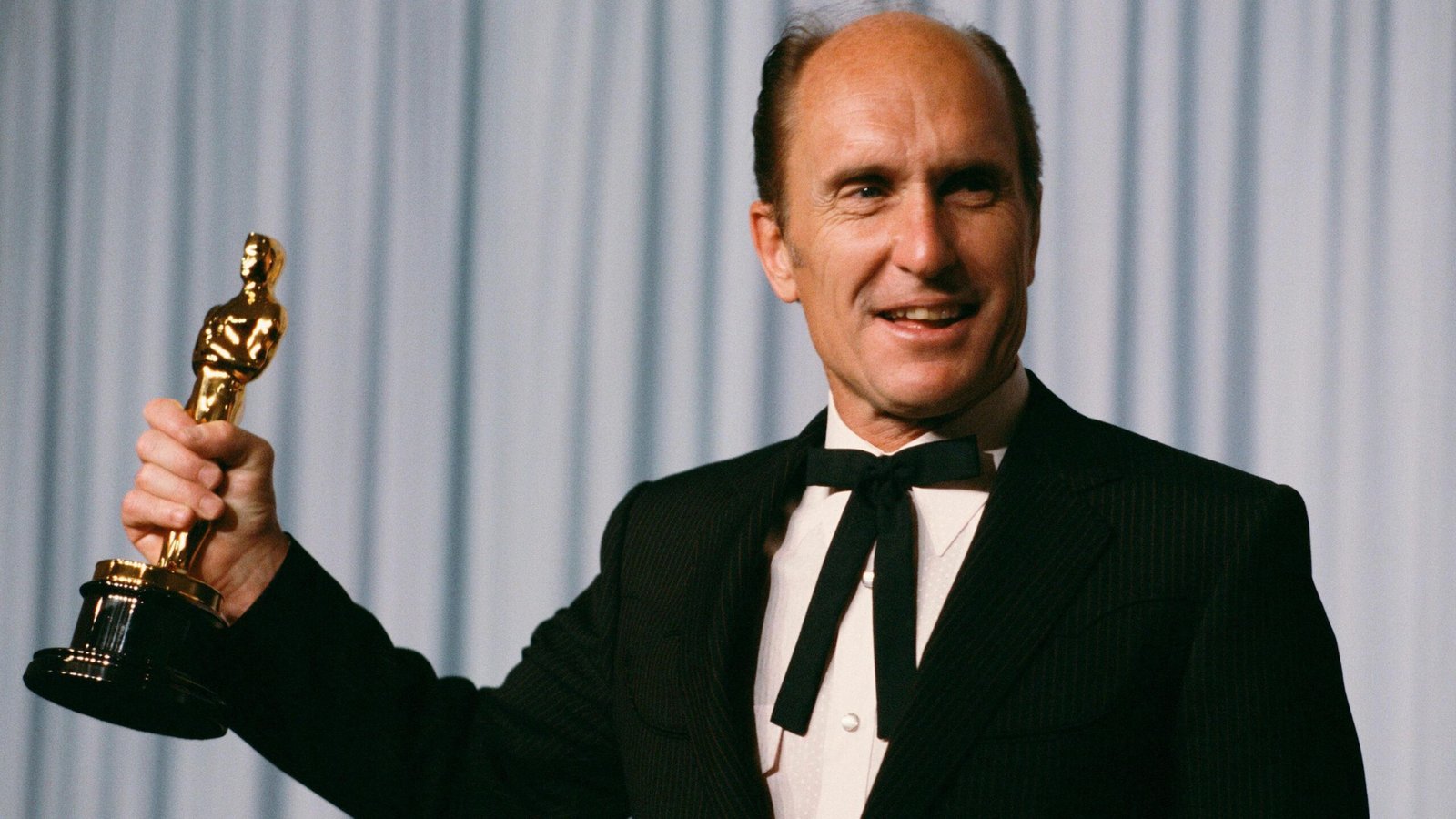
Over the years, Robert Duvall received numerous awards for his performances. One of the most important milestones in his career came with Tender Mercies, where he delivered a deeply emotional and restrained performance.
He won an Academy Award for Best Actor, confirming what many already believed: Robert Duvall was one of the finest actors of his generation.
However, awards never seemed to define him. Instead, Robert Duvall focused on the work itself.
Acting style and artistic identity
Robert Duvall’s acting style is often described as naturalistic, grounded, and deeply human.
Key traits of his acting:
1. Emotional control
He rarely overacts. Every emotion feels earned.
2. Authentic presence
Robert Duvall disappears into his roles completely.
3. Subtle expression
Small gestures often carry deep meaning.
4. Character immersion
He fully transforms into each role rather than repeating patterns.
This approach is why Robert Duvall’s performances remain timeless.
Robert Duvall and major film roles
Throughout his career, Robert Duvall has worked in a wide range of films that showcase his versatility.
Notable films include:
- The Godfather
- Apocalypse Now
- Tender Mercies
- The Apostle
- Lonesome Dove
- A Civil Action
Each of these roles highlights a different aspect of his talent, from intensity to vulnerability.
Robert Duvall never limited himself to one type of character.
Why Robert Duvall became a Hollywood legend
Becoming a legend in Hollywood is not just about fame. It is about consistency, respect, and influence over time.
Robert Duvall earned his legendary status through:
- Decades of consistent performance
- Collaboration with top directors
- Memorable and diverse roles
- Commitment to realism
- Influence on younger actors
Unlike many stars, Robert Duvall built his legacy slowly and steadily.
Robert Duvall as a director and creator
In addition to acting, Robert Duvall also explored directing and producing. This allowed him to shape stories from behind the camera as well.
His creative vision often reflects his acting philosophy: simplicity, truth, and emotional depth.
Robert Duvall has always believed that storytelling should feel real, not artificial.
Cultural impact of Robert Duvall
The influence of Robert Duvall extends far beyond individual films. He represents a specific era of Hollywood where acting was rooted in character depth and realism.
Many modern actors study his performances to understand how subtle acting can still be powerful.
His influence includes:
- Method acting inspiration
- Character-driven storytelling
- Realistic performance style
- Long-term career sustainability
Robert Duvall helped define what serious acting looks like in modern cinema.
Career timeline overview
| Era | Highlights |
|---|---|
| 1960s | Early film and theatre work |
| 1970s | Breakthrough with The Godfather |
| 1980s | Critical acclaim and awards |
| 1990s | Major dramatic roles |
| 2000s+ | Continued respected performances |
This timeline shows how Robert Duvall maintained relevance across decades.
Robert Duvall’s legacy in modern cinema
Even today, Robert Duvall remains a reference point for quality acting. His performances are studied in film schools and admired by directors around the world.
He represents a rare combination of longevity and artistic integrity.
Robert Duvall did not chase trends. He built a standard.
Why Robert Duvall still matters today
Many actors fade with time, but Robert Duvall continues to be relevant because his work is timeless.
Reasons for his lasting relevance:
- Strong body of work
- Timeless acting style
- Industry respect
- Influence on storytelling
- Cultural significance
Robert Duvall is not just part of film history; he is part of its foundation.
Conclusion
The journey of Robert Duvall from a dedicated young actor to a Hollywood legend is a story built on patience, discipline, and extraordinary talent.
He never relied on hype or shortcuts. Instead, Robert Duvall focused on mastering his craft, role by role, film by film.
Today, his legacy stands as a reminder that true greatness in acting is not about how loudly you perform, but how honestly you connect with the audience.
Robert Duvall remains one of the most respected figures in cinema history, and his influence continues to shape the way stories are told on screen.