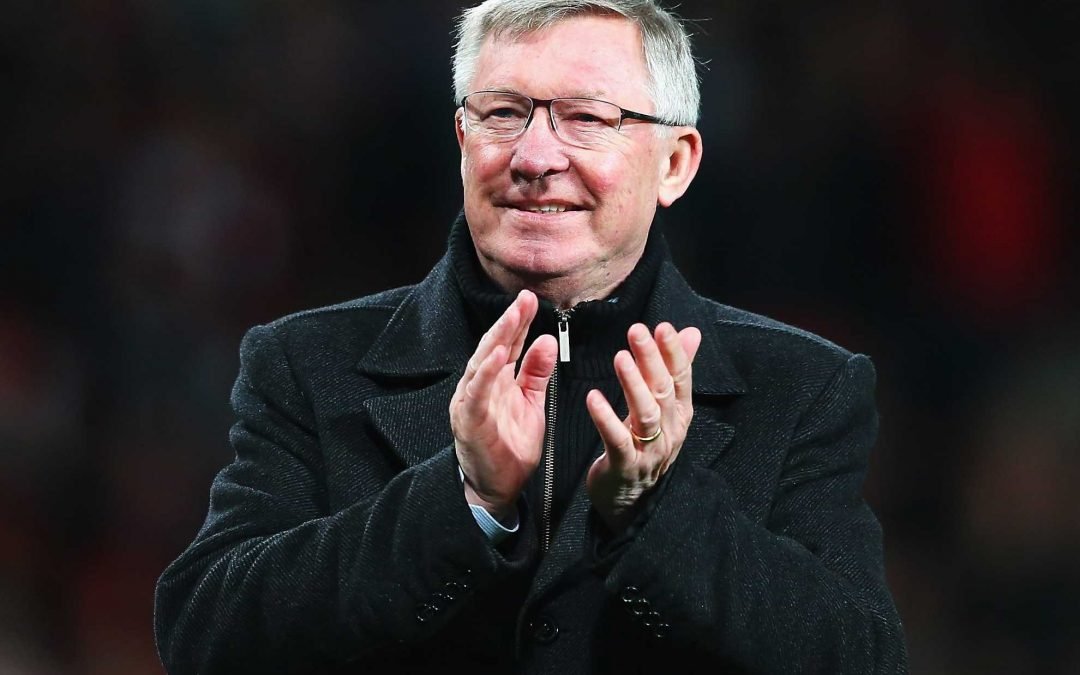
Few names in football command as much respect as Alex Ferguson. Whether you support Manchester United or one of their biggest rivals, it’s difficult to ignore the impact he had on the modern game. His remarkable ability to build winning teams, inspire players, and adapt over decades made him one of the greatest managers in football history.
What makes Alex Ferguson so fascinating isn’t just the number of trophies he won. It’s the way he transformed struggling teams into champions, developed young talent into global stars, and maintained excellence for more than 25 years at the highest level. Very few managers have matched that level of consistency.
In this article, we’ll explore the complete story of Alex Ferguson, including his early life, playing career, rise as a manager, achievements, leadership style, personal life, and the incredible legacy he continues to leave behind.
Alex Ferguson BIO
| Details | Information |
|---|---|
| Full Name | Sir Alexander Chapman Ferguson |
| Date of Birth | December 31, 1941 |
| Age | 84 (as of 2026) |
| Profession | Former Football Manager, Former Football Player |
| Nationality | Scottish |
| Net Worth (Approx.) | $70 Million |
| Notable Works / Achievements | 13 Premier League titles, 2 UEFA Champions League titles, 5 FA Cups, Knighted in 1999 |
Early Life of Alex Ferguson
Alex Ferguson was born in Glasgow, Scotland, into a hardworking family. His father worked in the shipbuilding industry, teaching him the importance of discipline and dedication from an early age. These values would later become the foundation of his legendary managerial career.
Growing up, football quickly became his greatest passion. Like many Scottish youngsters, he spent countless hours playing on local pitches. Those early experiences shaped his competitive personality and relentless desire to succeed.
Although life wasn’t always easy, Ferguson never allowed obstacles to stand in his way. Instead, he viewed every challenge as an opportunity to improve.
Alex Ferguson’s Playing Career
Before becoming a world-famous manager, Alex Ferguson enjoyed a respectable playing career as a striker.
He represented several Scottish clubs, including:
- Queen’s Park
- St. Johnstone
- Dunfermline Athletic
- Rangers
- Falkirk
- Ayr United
His best years came with Dunfermline Athletic, where he established himself as one of Scotland’s most reliable goalscorers.
While he never became an international superstar as a player, those experiences gave him valuable insight into football tactics, dressing-room culture, and player psychology.
Ironically, his greatest success was still waiting for him.
The Beginning of a Legendary Managerial Career
Many people associate Alex Ferguson only with Manchester United, but his managerial journey started long before arriving at Old Trafford.
His first significant opportunity came with East Stirlingshire before moving to St. Mirren. There, he impressed everyone by transforming the club into one of Scotland’s strongest teams.
Soon after, Aberdeen came calling.
It was at Aberdeen where the football world truly began paying attention.
How Alex Ferguson Changed Aberdeen Forever
During the 1980s, Scottish football was dominated by Celtic and Rangers.
Most experts believed no other club could consistently compete with these giants.
Alex Ferguson proved everyone wrong.
Under his leadership, Aberdeen achieved remarkable success by winning:
- Scottish League Championship
- Multiple Scottish Cups
- Scottish League Cups
- European Cup Winners’ Cup in 1983
- UEFA Super Cup
Perhaps the greatest achievement was defeating the mighty Real Madrid in the UEFA Super Cup.
This victory established Ferguson as one of Europe’s brightest coaching talents.
Manchester United: The Start of an Era
When Alex Ferguson joined Manchester United in 1986, the club was struggling.
Liverpool dominated English football.
United had gone decades without winning the league title.
Many fans questioned whether Ferguson was the right choice after several difficult seasons.
The pressure increased dramatically.
Yet the club’s board remained patient.
That patience changed football history forever.
Building a Championship Culture
Instead of searching for quick fixes, Alex Ferguson focused on long-term success.
He improved nearly every area of the football club.
His strategy included:
- Investing in youth development
- Improving discipline
- Modernizing training methods
- Recruiting players with strong character
- Building a winning mentality
These decisions laid the foundation for one of the greatest dynasties football has ever seen.
The Class of ’92
One of Ferguson’s greatest achievements was trusting young talent.
Rather than spending enormous transfer fees every season, he developed players from Manchester United’s academy.
The famous Class of ’92 included:
- David Beckham
- Ryan Giggs
- Paul Scholes
- Gary Neville
- Phil Neville
- Nicky Butt
Many football experts initially doubted these young players.
However, Alex Ferguson believed in them.
His faith was rewarded as they became the backbone of Manchester United’s incredible success throughout the 1990s and early 2000s.
Trophy Success Under Alex Ferguson
The numbers alone explain why Alex Ferguson is considered football royalty.
Major Honors
| Competition | Titles |
| Premier League | 13 |
| FA Cup | 5 |
| League Cup | 4 |
| UEFA Champions League | 2 |
| FIFA Club World Cup | 1 |
| UEFA Super Cup | 1 |
| Community Shield | 10 |
Winning consistently over nearly three decades is something very few managers have ever achieved.
Memorable Players Managed by Alex Ferguson
Throughout his career, Ferguson coached some of football’s greatest stars.
These included:
- Cristiano Ronaldo
- Wayne Rooney
- Roy Keane
- Eric Cantona
- Peter Schmeichel
- Rio Ferdinand
- Nemanja Vidić
- Robin van Persie
- Ruud van Nistelrooy
- Edwin van der Sar
One of Ferguson’s greatest strengths was understanding different personalities.
Some players required encouragement.
Others responded better to strict discipline.
His ability to manage both made him exceptional.
Alex Ferguson’s Leadership Style
Leadership wasn’t simply about shouting from the sidelines.
Instead, Alex Ferguson mastered the art of motivation.
Key Leadership Traits
Strong Discipline
Every player understood the standards expected at Manchester United.
No individual was bigger than the team.
Adaptability
Football changed dramatically during Ferguson’s career.
He evolved with every generation instead of relying on outdated tactics.
Trust in Young Players
Many managers hesitate to promote academy players.
Ferguson embraced youth whenever he believed they were ready.
Ruthless Decision-Making
Sometimes difficult choices had to be made.
Several legendary players eventually left the club because Ferguson believed the team’s future came first.
Although controversial, those decisions often proved correct.
Famous Comebacks
One characteristic defined Ferguson’s teams more than anything else.
They never gave up.
Manchester United became famous for dramatic late goals and unforgettable comebacks.
Fans even coined the phrase “Fergie Time” because his teams so often scored in the final minutes.
This resilience reflected Ferguson’s own personality.
He demanded belief until the very last whistle.
Personal Life
Away from football, Alex Ferguson has always been known as a devoted family man.
His wife, Cathy Ferguson, played an important role throughout his career, providing stability during the pressures of football management.
He has frequently credited his family for helping him remain focused despite decades in one of the world’s most demanding jobs.
Even after retirement, Ferguson has remained connected to Manchester United and football as a respected ambassador and advisor.
Retirement and Life Beyond Football
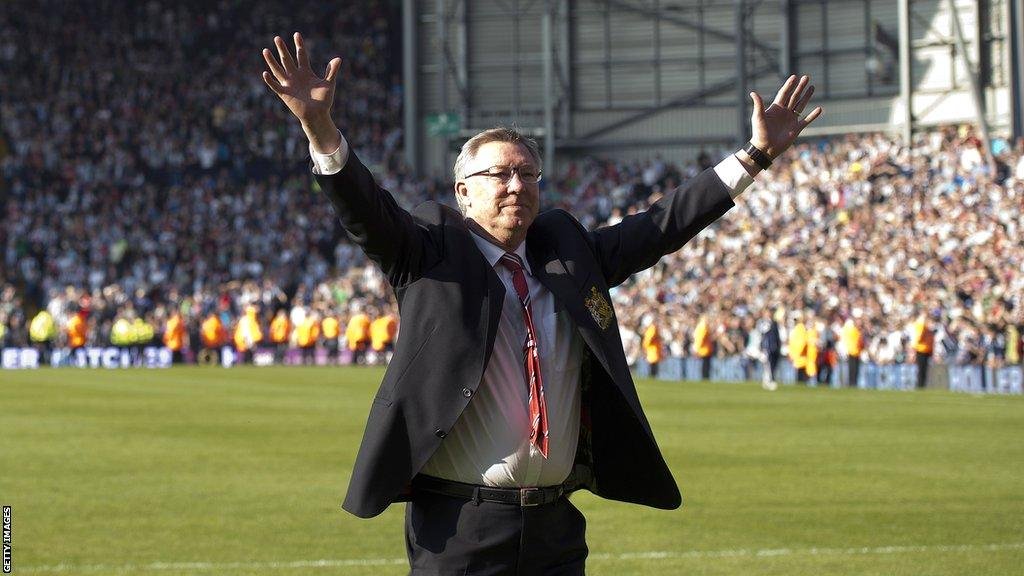
In 2013, Alex Ferguson announced his retirement after leading Manchester United to another Premier League title.
It was the perfect ending.
Winning the league in his final season symbolized everything he had achieved.
Since stepping away from management, Ferguson has written books, delivered leadership speeches, and continued inspiring business leaders, athletes, and coaches around the world.
His leadership principles are now studied far beyond football.
Awards and Recognition
The achievements of Alex Ferguson have been recognized globally.
Some of his most notable honors include:
- Knighted by Queen Elizabeth II
- UEFA President’s Award
- FIFA Presidential Award
- Premier League Manager of the Season multiple times
- Freedom of the City of Aberdeen
- Numerous honorary university degrees
These awards reflect not only his football success but also his influence on leadership and sport.
Lessons We Can Learn from Alex Ferguson
Success leaves clues.
Ferguson’s career teaches valuable lessons for anyone, regardless of profession.
1. Think Long-Term
Great success rarely happens overnight.
Patience often produces extraordinary results.
2. Never Stop Learning
Even after decades of coaching, Ferguson continued adapting his methods.
3. Build Strong Teams
Individuals matter.
However, teamwork wins championships.
4. Demand High Standards
Excellence becomes a habit when expectations remain high.
5. Believe in Young Talent
Giving opportunities to young people creates future leaders.
Why Alex Ferguson Remains Relevant Today
Many years after retirement, people still discuss Alex Ferguson whenever leadership, football management, or winning cultures are mentioned.
Business schools analyze his leadership methods.
Sports coaches study his tactical evolution.
Young managers admire his consistency.
Very few sporting figures remain this influential long after leaving the game.
That alone speaks volumes about his impact.
Alex Ferguson’s Lasting Legacy
Legacy is measured by more than trophies.
While Ferguson collected countless titles, his true legacy lies in changing football culture.
He demonstrated that success depends on vision, discipline, adaptability, and trust.
Manchester United became one of the world’s biggest sports brands during his leadership.
Countless players reached their full potential because of his guidance.
Millions of fans witnessed unforgettable moments created by his teams.
Even today, many supporters compare every new Manchester United manager to Alex Ferguson, highlighting just how extraordinary his achievements were.
His influence extends beyond football and into leadership, education, and business, proving that great management principles are universal.
Frequently Asked Questions
Who is Alex Ferguson?
Alex Ferguson is a legendary Scottish former football manager best known for leading Manchester United from 1986 to 2013 and winning numerous domestic and international trophies.
How many Premier League titles did Alex Ferguson win?
He won 13 Premier League titles, making him the most successful manager in the competition’s history.
Why is Alex Ferguson considered one of the greatest managers?
He combined tactical intelligence, leadership, youth development, adaptability, and long-term success over nearly three decades.
What is Alex Ferguson’s estimated net worth?
His estimated net worth is around $70 million, earned through football management, books, endorsements, and speaking engagements.
Conclusion
The story of Alex Ferguson is about much more than football. It is a story of determination, resilience, vision, and relentless pursuit of excellence. From his modest upbringing in Glasgow to becoming one of the most decorated managers in sporting history, Ferguson proved that sustained success comes from hard work, adaptability, and unwavering belief in your principles.
His achievements at Aberdeen and Manchester United transformed clubs, inspired generations of players, and redefined what great leadership looks like. Even years after retirement, his influence continues to shape football and leadership discussions around the world.
If you enjoyed learning about Alex Ferguson, share your thoughts in the comments. Which achievement do you believe defines his incredible career? Feel free to share this article with fellow football fans and join the conversation about one of the greatest sporting legends of all time.