Few words connected to Christmas carry as much spiritual meaning and cultural depth as nativität. Even people who hear the term for the first time often sense that it is linked to tradition, faith, and history. The word itself may sound formal or ancient, yet its meaning remains deeply personal for millions of people around the world.
At its heart, Nativität tells the story of birth, hope, and renewal. It is connected to one of the most recognized events in Christian history: the birth of Jesus Christ. However, the idea behind nativität goes far beyond religion alone. It has influenced art, music, architecture, holiday traditions, literature, and even modern family celebrations.
Today, nativity scenes appear in homes, churches, Christmas markets, and public squares across many countries. Children grow up hearing stories about Bethlehem, the manger, angels, shepherds, and the Star of Bethlehem. Yet many people still wonder where the term nativität comes from and why it remains so important in modern culture.
This article explores the full meaning of nativität, its historical roots, symbolism, traditions, and lasting cultural influence. Whether you are interested in religion, history, Christmas customs, or language origins, understanding nativität offers a fascinating look into one of the world’s most enduring traditions.
What Does Nativität Mean?
The word nativität comes from the Latin word nativitas, which means “birth.” In most contexts, it refers specifically to the birth of Jesus Christ and the events surrounding it.
In English, the closest translation is “nativity.” The term is widely used in Christianity, especially during the Christmas season. However, depending on the cultural setting, nativität can also refer to:
- Nativity scenes
- Christmas displays
- Religious artwork
- Biblical storytelling
- Church celebrations
- Seasonal traditions
- Sacred birth symbolism
At its simplest level, nativität represents the story of hope entering the world through birth. For Christians, it symbolizes divine love, humility, peace, and salvation.
The Historical Origins of Nativität
To fully understand nativität, it helps to look back at the historical and religious background behind the tradition.
Early Christian Beginnings
The story of the nativity comes primarily from the Gospels of Matthew and Luke in the New Testament. These biblical accounts describe the birth of Jesus in Bethlehem during the reign of King Herod.
According to Christian belief:
- Mary and Joseph traveled to Bethlehem
- Jesus was born in a stable or humble shelter
- Shepherds visited after hearing angelic messages
- Wise men followed a guiding star
- The child was placed in a manger
These details became the foundation of the nativität tradition that spread across Christian communities over centuries.
The Development of Nativity Traditions
During the early centuries of Christianity, believers celebrated Christ’s birth mainly through church services and prayer. However, by the Middle Ages, visual representations became increasingly popular.
Churches began creating:
- Religious paintings
- Sculptures
- Christmas plays
- Wooden nativity displays
- Public reenactments
One major turning point came through the influence of Saint Francis of Assisi, who is often credited with creating one of the first live nativity scenes in the 13th century. His goal was to help ordinary people emotionally connect with the birth of Christ in a simple and visual way.
This idea transformed nativität into a powerful cultural and artistic tradition.
Why Nativität Matters in Christianity
For Christians, nativität is much more than a holiday decoration. It represents one of the central moments of the Christian faith.
Spiritual Meaning
The nativity story teaches several important themes:
- Humility
- Compassion
- Faith
- Peace
- Divine love
- Hope during hardship
Jesus was not born in a palace or royal home. Instead, the biblical story emphasizes simplicity and modesty. This message continues to resonate strongly with believers today.
Religious Celebrations
Many churches celebrate nativität through:
- Midnight Mass
- Christmas Eve services
- Nativity plays
- Carol singing
- Advent traditions
- Scripture readings
These customs help preserve the spiritual meaning behind Christmas beyond commercial celebrations.
Symbolism Found in Nativität
One reason nativität remains so powerful is its rich symbolism. Almost every object or figure in a nativity scene carries deeper meaning.
Common Symbols and Their Meanings
| Symbol | Meaning |
|---|---|
| Manger | Humility and simplicity |
| Star of Bethlehem | Guidance and hope |
| Shepherds | Faith and ordinary people |
| Angels | Divine messages |
| Wise Men | Wisdom and devotion |
| Stable | Modesty and peace |
| Light | Spiritual awakening |
| Gifts | Honor and worship |
These symbols have inspired countless works of religious art and storytelling throughout history.
Nativität in Art and Culture
Over time, nativität became one of the most influential themes in Western art and culture.
Religious Paintings
Many famous artists created nativity-themed masterpieces during the Renaissance and Baroque periods. These works often highlighted:
- Soft lighting
- Sacred imagery
- Emotional expressions
- Biblical symbolism
- Peaceful family scenes
Music and Literature
The influence of nativität also appears in:
- Christmas hymns
- Classical music
- Holiday poetry
- Religious literature
- Children’s stories
Songs about Bethlehem, angels, and the birth of Christ continue to shape holiday traditions around the world.
Architecture and Public Displays
Many churches and cathedrals include nativity imagery in stained glass windows, sculptures, and seasonal displays. Public Christmas markets often feature detailed nativity scenes that attract visitors every year.
Different Nativität Traditions Around the World
Although the meaning of nativität remains similar globally, different cultures celebrate it in unique ways.
Germany
Germany has a long history of nativity craftsmanship. Traditional wooden nativity sets are especially popular during Christmas markets.
Common traditions include:
- Hand-carved figurines
- Advent candles
- Church concerts
- Seasonal storytelling
Italy
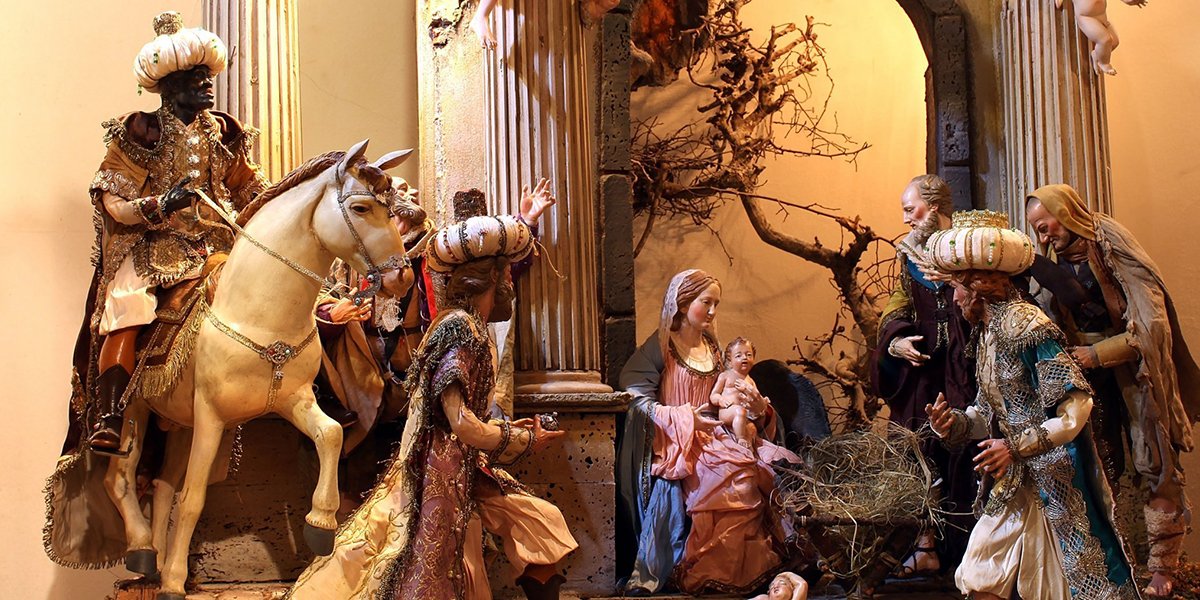
Italy is famous for elaborate nativity displays called presepe. Some Italian towns even create life-sized nativity villages during the holiday season.
Spain and Latin America
Many Spanish-speaking countries include dramatic nativity reenactments and community celebrations featuring music and processions.
United States
In the United States, nativity scenes often appear in homes, churches, schools, and outdoor decorations during December.
The Role of Nativität in Modern Christmas
Modern Christmas celebrations have evolved significantly over time. However, nativität still remains one of the most recognizable spiritual elements of the season.
Today, people interact with nativity traditions in many ways:
- Family decorations
- Church events
- School performances
- Holiday storytelling
- Seasonal art projects
- Christmas markets
Even in increasingly secular societies, nativity imagery continues to symbolize peace, kindness, and togetherness.
How Nativität Influences Popular Culture
Interestingly, nativität has also shaped modern media and entertainment.
Film and Television
Christmas movies often include themes connected to nativity values such as:
- Family unity
- Compassion
- Forgiveness
- Generosity
- Hope
Holiday Advertising
Many holiday campaigns use nativity-inspired imagery to create emotional warmth and nostalgia.
Social Media and Digital Art
Digital artists frequently reinterpret nativity scenes using modern styles while preserving traditional symbolism.
Key Elements of a Traditional Nativität Scene
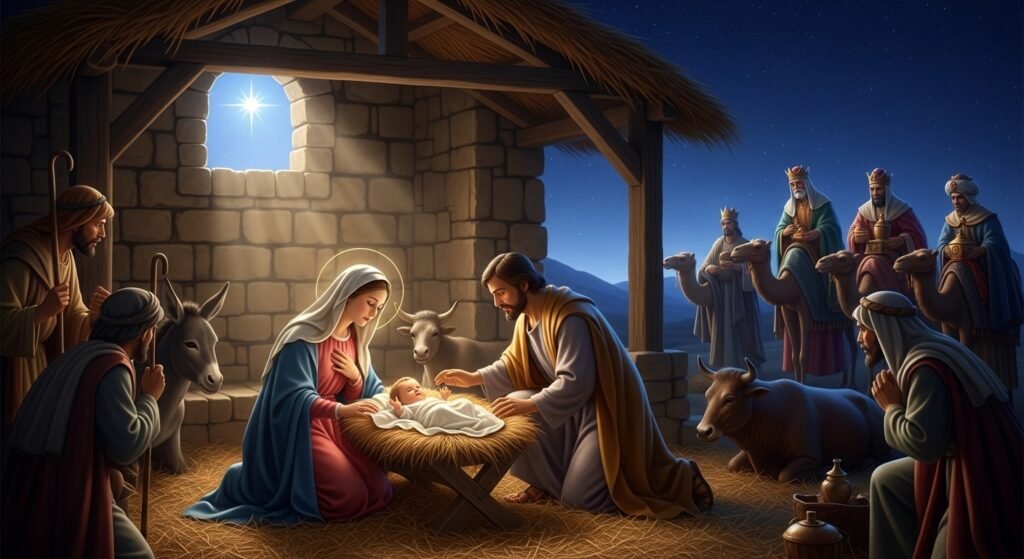
A classic nativität display usually includes several recognizable figures and objects.
Main Characters
- Baby Jesus
- Mary
- Joseph
- Shepherds
- Wise Men
- Angels
Animals Often Included
- Donkeys
- Sheep
- Oxen
- Camels
Additional Features
- Stable
- Star
- Lanterns
- Hay
- Village scenery
Each piece contributes to the emotional storytelling behind the display.
The Emotional Power of Nativität
One reason nativität has lasted for centuries is its emotional depth. The story speaks to universal human experiences:
- Birth
- Family
- Protection
- Love
- Hope
- Survival during difficult times
Even people who are not religious often appreciate the peaceful atmosphere and symbolism associated with nativity traditions.
Misunderstandings About Nativität
Despite its popularity, there are still several misconceptions about nativität.
It Is Not Only About Decoration
Some people see nativity scenes purely as Christmas decorations. However, for many believers, they hold deep spiritual significance.
Historical Accuracy Is Debated
Historians continue discussing certain details of the biblical account, including dates and locations. Nevertheless, the symbolic importance of the story remains strong.
Cultural Variations Exist
Different countries interpret nativity traditions differently. There is no single universal style.
Why Nativität Still Matters Today
In today’s fast-moving digital world, traditions connected to nativität continue to offer moments of reflection and calm.
People often turn toward nativity imagery during the holidays because it reminds them of:
- Simplicity
- Compassion
- Human connection
- Family traditions
- Spiritual reflection
- Inner peace
Moreover, the story encourages people to focus on kindness and humility rather than materialism.
Interesting Facts About Nativität
Here are a few fascinating facts about Nativität many people do not know:
- The earliest nativity art dates back to ancient Christian catacombs.
- Some nativity scenes include local cultural clothing and architecture.
- Live nativity performances remain popular in many countries.
- Nativity traditions differ between Catholic, Protestant, and Orthodox churches.
- Some museums display historical nativity collections year-round.
SEO and Cultural Importance of Nativität
From an educational and cultural perspective, searches related to nativität continue growing online, especially during the Christmas season.
People commonly search for:
- Nativity meaning
- Christmas traditions
- Biblical birth story
- Bethlehem history
- Nativity scene symbolism
- Religious holiday customs
- Christian celebrations
- Christmas spirituality
This ongoing interest shows that nativität remains relevant in both historical and modern conversations.
Conclusion
The story of nativität has survived for centuries because it speaks to something deeply human. It is a story about hope arriving during uncertainty, about humility carrying spiritual strength, and about compassion bringing people together.
Whether viewed through a religious lens, a historical perspective, or a cultural tradition, nativität continues to inspire millions of people around the world. Its symbols, stories, and emotional themes remain woven into Christmas celebrations across generations.
In many ways, the enduring power of nativität comes from its simplicity. A humble birth story became one of the most influential cultural traditions in history. That alone explains why it still matters today.