Some actors entertain audiences for a few years and then fade into history. Others leave such a powerful mark on cinema that their influence remains visible decades later. Henry Fonda belongs to that rare second group.
His career was not built on flashy publicity or dramatic headlines. Instead, it was built on exceptional talent, remarkable consistency, and an ability to portray ordinary people with extraordinary authenticity. Whether he was playing a determined juror, a principled leader, a struggling farmer, or even a villain, Henry Fonda brought a level of honesty that audiences immediately recognized.
What makes Henry Fonda especially fascinating is that he represented a unique kind of Hollywood star. He projected strength without arrogance, intelligence without pretension, and emotion without exaggeration. As a result, his performances continue to resonate with modern audiences.
This article takes a detailed look at Henry Fonda, his remarkable career, his most memorable performances, and the legacy that continues to inspire actors and film lovers around the world.
Henry Fonda Biography
| Category | Details |
|---|---|
| Full Name | Henry Jaynes Fonda |
| Date of Birth | May 16, 1905 |
| Age | Passed away in 1982 at age 77 |
| Profession | Actor |
| Nationality | American |
| Net Worth (Approx.) | Several million dollars during his career |
| Notable Works / Achievements | 12 Angry Men, The Grapes of Wrath, On Golden Pond, Academy Award Winner |
Early Life and the Road to Acting
Long before Henry Fonda became one of Hollywood’s most respected performers, he lived a relatively ordinary life.
Born in Nebraska, he grew up far from the bright lights of the movie industry. His early years were shaped by Midwestern values, including hard work, honesty, and humility. Interestingly, those qualities would later become central to many of the characters he portrayed.
Initially, acting was not his primary focus. However, a growing interest in theater eventually led him toward performance. Once he stepped onto a stage, it became clear that he possessed a natural gift.
Unlike many aspiring actors who sought immediate fame, Henry Fonda approached acting as a craft. He studied, practiced, and refined his skills carefully. That dedication laid the foundation for a career that would span nearly five decades.
Breaking Into Hollywood
Building a Reputation
The transition from theater to film was not always easy during the early days of Hollywood. Yet Henry Fonda adapted remarkably well.
His calm demeanor and natural acting style stood out in an era when some performers still relied on exaggerated theatrical techniques.
Directors quickly noticed that he could make even simple scenes feel meaningful.
Early Film Success
As his reputation grew, larger opportunities followed.
Films from this period showcased several strengths that would define his career:
- Authentic emotional expression
- Strong screen presence
- Relatable characters
- Exceptional dialogue delivery
- Quiet but powerful intensity
These qualities helped establish Henry Fonda as one of the industry’s most promising talents.
The Grapes of Wrath: A Career-Defining Performance
Bringing Literature to Life
When discussing the career of Henry Fonda, one film stands above many others: The Grapes of Wrath.
Based on John Steinbeck’s celebrated novel, the film tells the story of a family struggling during the Great Depression.
Fonda’s portrayal of Tom Joad remains one of the most respected performances in cinema history.
Why the Role Was So Powerful
The character required empathy, strength, and emotional depth.
Fonda delivered all three.
His performance connected with audiences because it felt genuine. Rather than portraying a larger-than-life hero, he embodied a real person facing difficult circumstances.
Many critics still regard this as one of the finest performances ever captured on film.
Henry Fonda and the Art of Simplicity
Less Was More
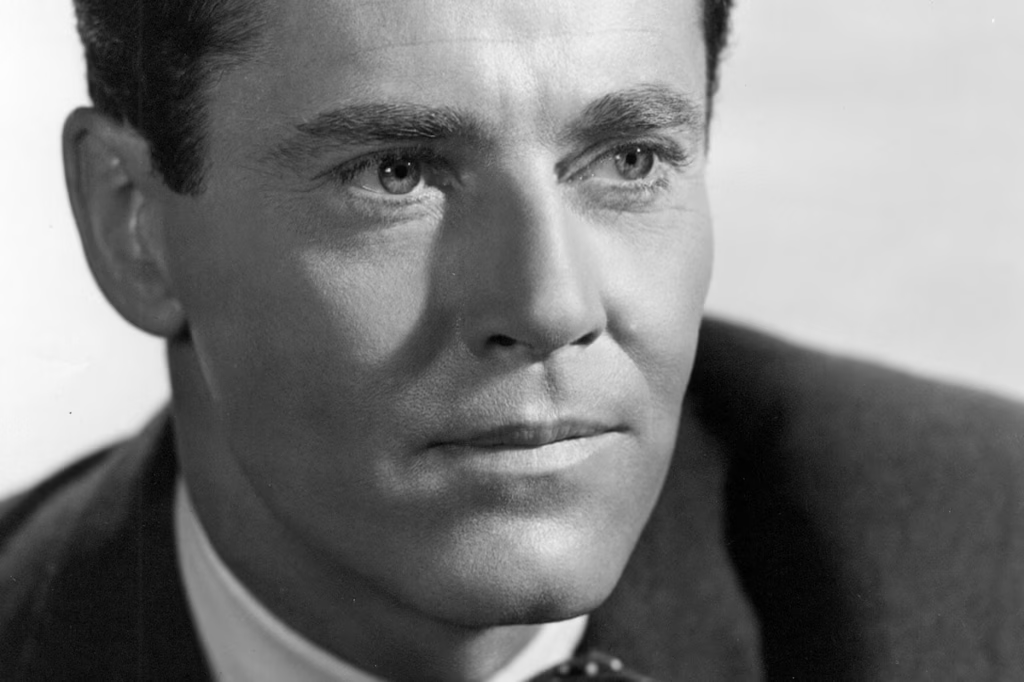
One of the most remarkable qualities of Henry Fonda was his ability to do more with less.
Many actors rely on dramatic gestures or emotional outbursts. Fonda often achieved greater impact through restraint.
A simple look, pause, or subtle expression could communicate volumes.
Why Audiences Connected With Him
Viewers trusted him.
His characters felt authentic because he avoided artificial performances. Whether portraying a farmer, soldier, businessman, or father, he made each role believable.
That authenticity became a defining characteristic of the Henry Fonda legacy.
12 Angry Men: A Masterclass in Acting
A Film That Changed Cinema
Few films are as widely respected as 12 Angry Men.
The movie takes place almost entirely inside a jury room, relying heavily on dialogue and performance rather than action.
For many actors, such a setting would be limiting.
For Henry Fonda, it became an opportunity.
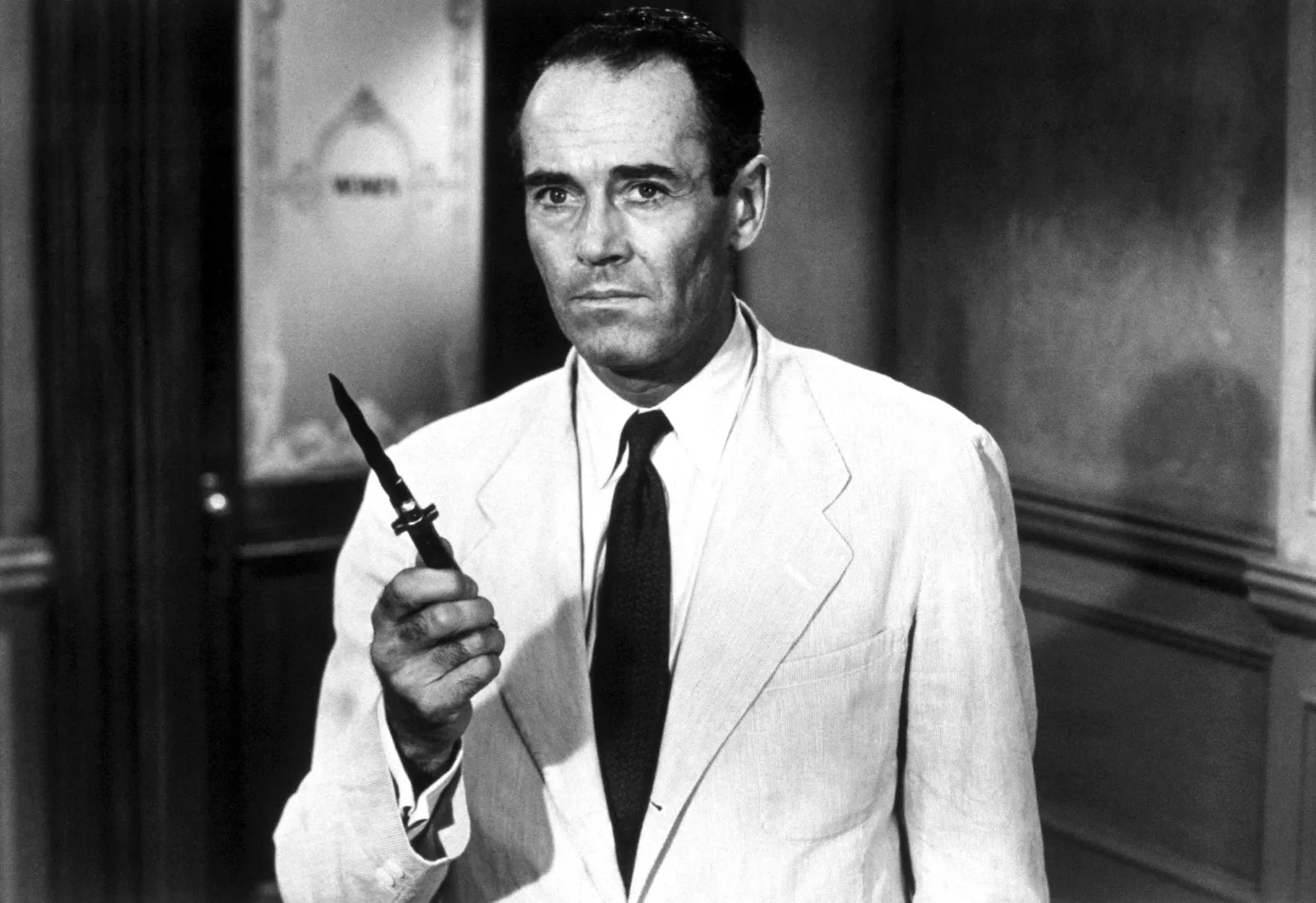
The Power of Juror Number Eight
His portrayal of Juror Number Eight demonstrated leadership, patience, and moral courage.
The character slowly persuades others to reconsider their assumptions, not through force but through reason.
This performance remains one of the greatest examples of understated acting ever filmed.
Lasting Influence
Today, acting schools and film programs still study this role because it demonstrates how subtle performances can create extraordinary emotional impact.
Exploring Different Genres
Beyond Drama
Although Henry Fonda is often associated with serious dramas, his career was surprisingly diverse.
He worked across multiple genres, including:
- Westerns
- Historical dramas
- War films
- Comedies
- Family stories
This versatility allowed him to remain relevant throughout changing eras of filmmaking.
Success in Western Films
The Western genre became an important part of his career.
Interestingly, one of his most memorable Western performances involved playing against type.
In Once Upon a Time in the West, audiences were shocked to see Henry Fonda portray a villain.
The casting challenged expectations and demonstrated his impressive range as an actor.
The Evolution of Henry Fonda’s Career
Adapting Across Decades
Many actors struggle to maintain relevance as the entertainment industry evolves.
Henry Fonda did the opposite.
From the 1930s through the early 1980s, he successfully adapted to changing audience tastes and filmmaking styles.
A Career Built on Quality
Instead of chasing trends, he focused on strong material and meaningful performances.
That commitment helped preserve his reputation throughout his life.
On Golden Pond: A Perfect Farewell
A Moving Final Performance
One of the most emotional chapters in the story of Henry Fonda came with On Golden Pond.
The film explored aging, family relationships, and reconciliation.
Personal Significance
The movie carried additional emotional weight because it featured his daughter, Jane Fonda.
Their on-screen relationship added authenticity to the story and created moments of remarkable emotional depth.
Academy Award Recognition
The performance earned Henry Fonda his first competitive Academy Award.
Many viewed it as long-overdue recognition for a career filled with excellence.
What Made Henry Fonda Extraordinary?
Several qualities separated Henry Fonda from many of his contemporaries.
Authenticity
His characters always felt real.
Consistency
He maintained a high standard of performance for decades.
Emotional Intelligence
Fonda understood how to connect with audiences on a deeply human level.
Versatility
He succeeded in multiple genres without losing his unique identity.
These qualities helped create one of Hollywood’s most respected careers.
Career Highlights at a Glance
Some of the most important achievements of Henry Fonda include:
- Starring in numerous classic films
- Receiving Academy Award recognition
- Creating iconic cinematic characters
- Influencing generations of actors
- Building a career that lasted nearly fifty years
Each accomplishment contributed to a remarkable legacy.
Henry Fonda’s Influence on Future Actors
A Model of Professionalism
Many actors continue to admire the qualities that defined Henry Fonda.
These include:
- Dedication to craft
- Respect for storytelling
- Strong work ethic
- Natural screen presence
- Commitment to authenticity
Lessons for Modern Performers
His career demonstrates that lasting success often comes from consistency rather than celebrity.
That lesson remains relevant today.
Why Henry Fonda Still Matters
Cinema constantly evolves, yet some performances remain timeless.
The work of Henry Fonda continues to resonate because it focuses on universal human experiences.
Audiences still connect with his characters because they reflect real emotions, real struggles, and real values.
Whether someone discovers him through The Grapes of Wrath, 12 Angry Men, or On Golden Pond, the result is often the same: admiration for an actor who understood the power of honesty.
The Legacy of Henry Fonda
Legacy is about more than awards or box office numbers.
The legacy of Henry Fonda rests on the enduring quality of his performances.
He demonstrated that great acting does not require excessive drama. Sometimes the most powerful moments come from sincerity, restraint, and truth.
His influence extends far beyond his own generation and continues to shape the art of acting today.
Conclusion
When examining the extraordinary career of Henry Fonda, one thing becomes clear: his success was never accidental. It was the result of talent, discipline, integrity, and a deep understanding of human nature.
From the emotional power of The Grapes of Wrath to the moral conviction of 12 Angry Men and the heartfelt farewell of On Golden Pond, Henry Fonda created performances that continue to inspire audiences around the world.
His work reminds us that true greatness in acting comes from authenticity. Trends may change and technologies may evolve, but honest storytelling remains timeless.