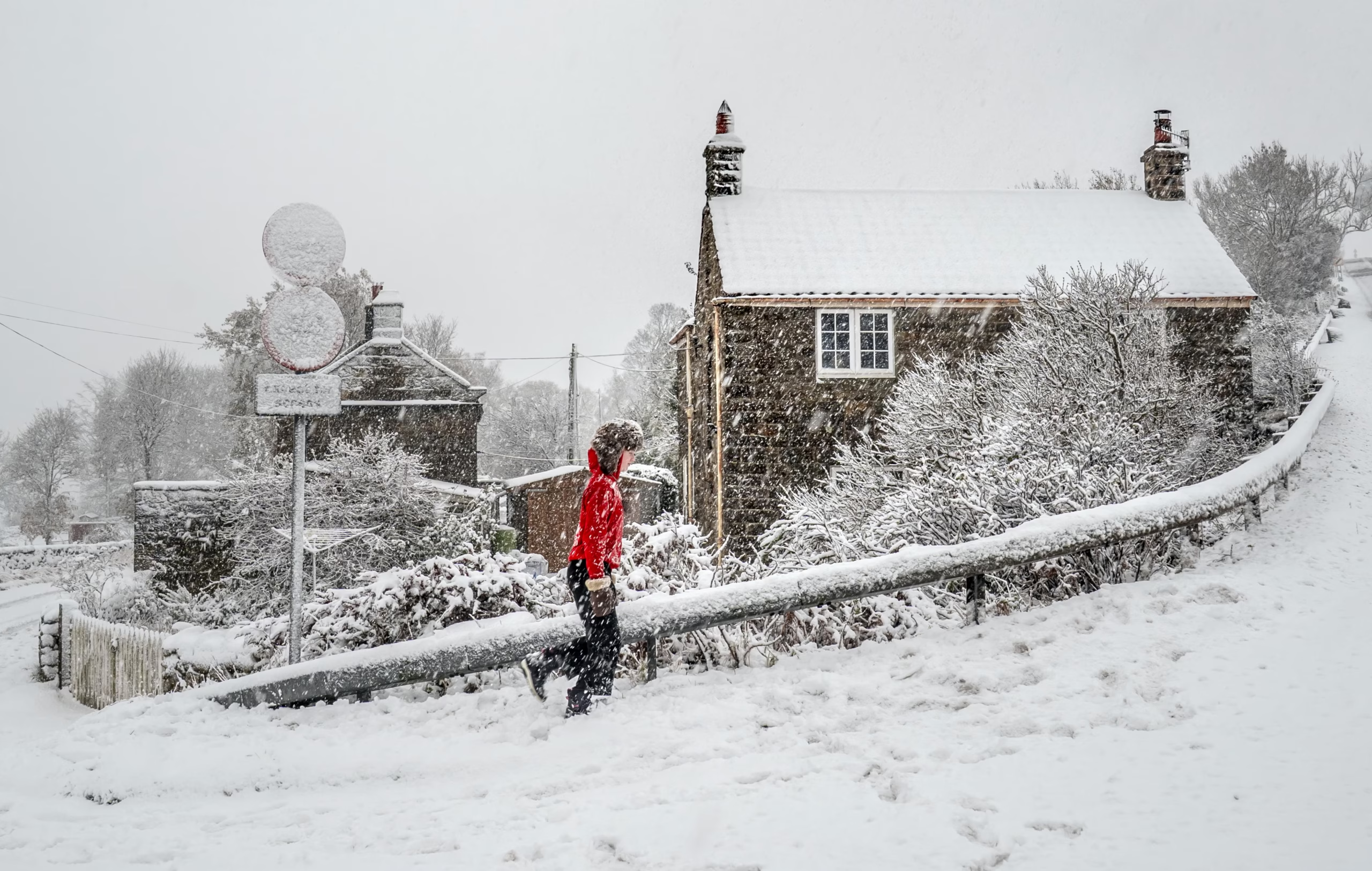
As winter approaches, many people across Britain begin searching for the latest UK snow forecast to find out whether heavy snowfall, icy roads, or freezing temperatures are on the way. Whether you’re planning a holiday, commuting to work, or simply hoping for a white Christmas, keeping up with winter weather forecasts can help you stay prepared.
Snowfall in the UK varies greatly from year to year. While some winters bring widespread snow and freezing conditions, others are milder with only occasional cold spells. Weather experts use advanced forecasting models, historical climate data, and atmospheric patterns to provide reliable predictions throughout the season.
In this guide, we’ll explore the latest UK snow forecast, what factors influence snowfall, which regions are most likely to see snow, and practical tips for preparing for winter weather.
Why the UK Snow Forecast Changes Frequently
Forecasting snow in the UK is more complicated than simply predicting low temperatures. Snow develops when several weather conditions come together, including moisture, cold air, and the movement of weather systems.
Meteorologists monitor several important factors:
- Arctic air moving south toward the UK
- Atlantic weather fronts bringing moisture
- Jet stream positioning
- High-pressure systems
- North Atlantic Oscillation (NAO)
- Sudden Stratospheric Warming (SSW) events
Small changes in any of these weather patterns can significantly affect where and when snow develops. This is why forecasts often become more accurate only a few days before snowfall is expected.
What Experts Expect This Winter
Current long-range weather outlooks suggest that the UK snow forecast could experience a mix of mild and colder periods throughout the winter season.
Key expectations include:
- Several cold snaps during the winter months
- Increased frost during overnight hours
- Snowfall mainly affecting higher ground
- Temporary disruptions during Arctic air outbreaks
- Possible icy conditions following rain
Although widespread heavy snowfall cannot be guaranteed months in advance, weather experts continue monitoring atmospheric developments that could increase snowfall potential later in the season.
Which Parts of the UK Are Most Likely to See Snow?
Not every part of the UK experiences the same winter weather. Elevation, geography, and proximity to the sea all influence snowfall.
Scotland
Scotland remains the snowiest part of the United Kingdom. The Highlands often receive significant snowfall from late autumn through early spring. Ski resorts in the Cairngorms usually experience the deepest snow accumulations.
Northern England
Areas such as the Pennines, Northumberland, and Cumbria frequently see snowfall during colder weather patterns. Higher elevations generally receive more snow than nearby cities.
Wales
Snow is common in Snowdonia and other mountainous regions during winter. Lower-lying areas may only experience occasional snow showers.
Midlands
The Midlands can receive snow during strong Arctic outbreaks, although snowfall is usually less frequent than northern regions.
Southern England
Southern England often experiences fewer snow events because of relatively milder temperatures. However, significant snowfall can still occur when cold continental air combines with moisture from Atlantic weather systems.
When Does Snow Usually Fall in the UK?
Snow can occur between November and March, although January and February are traditionally the coldest months.
Typical snowfall timeline:
- November: First snow possible in northern hills.
- December: Increasing chances of snow across northern regions.
- January: Peak winter conditions with greater snowfall risk.
- February: Continued potential for snow and ice.
- March: Snow mainly limited to higher elevations.
Each winter is different, so actual snowfall varies considerably.
How Accurate Are Long-Range Snow Forecasts?
Many people search for snow forecasts several months before winter begins. While seasonal outlooks provide useful guidance, they should not be viewed as exact predictions.
Weather forecasting becomes increasingly accurate as the forecast period gets closer.
General accuracy levels include:
- 1–3 days: Very reliable
- 4–7 days: Good accuracy
- 8–14 days: Moderate confidence
- Monthly outlooks: General trends only
- Seasonal forecasts: Broad climate expectations rather than precise snowfall predictions
Checking regular forecast updates is always recommended during winter.
Factors That Increase Snowfall Chances
Several weather conditions can raise the likelihood of snow across Britain.
Arctic Air
Cold air arriving from the Arctic significantly increases snowfall potential, particularly when temperatures remain below freezing.
Atlantic Weather Systems
Moisture from Atlantic low-pressure systems often produces precipitation. If temperatures are cold enough, that precipitation falls as snow rather than rain.
Easterly Winds
Cold easterly winds from continental Europe can bring prolonged freezing conditions, especially across eastern England.
Sudden Stratospheric Warming
Although relatively rare, Sudden Stratospheric Warming events can disrupt normal weather patterns and increase the chances of prolonged cold spells across Europe and the UK.
How Snow Can Affect Daily Life
Heavy snowfall can create beautiful winter landscapes, but it also presents challenges.
Common impacts include:
- Road travel delays
- Train disruptions
- Flight cancellations
- School closures
- Power outages
- Dangerous icy pavements
Being aware of the latest weather warnings helps reduce unnecessary risks during severe winter weather.
How to Prepare for Winter Weather
Preparing before severe weather arrives can make winter much easier.
Helpful preparation tips include:
- Monitor weather forecasts regularly.
- Keep warm clothing readily available.
- Check your home’s heating system.
- Carry a winter emergency kit in your car.
- Store torches, batteries, and power banks.
- Stock essential food and medications.
- Use grit or salt on icy pathways.
Simple planning can greatly improve safety during snow and freezing temperatures.
Winter Driving Tips
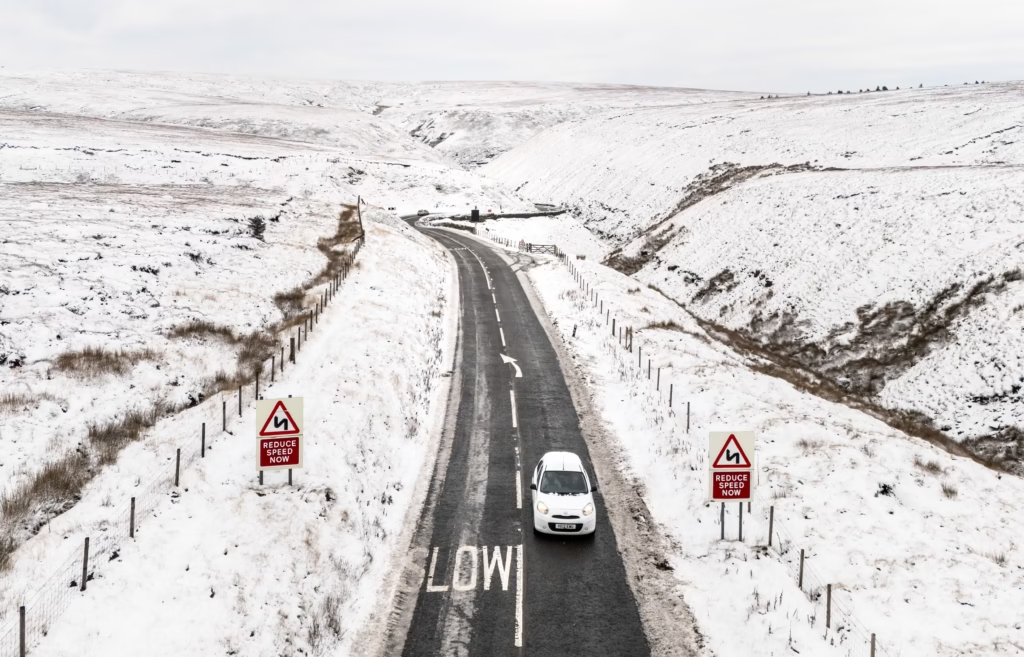
UK snow forecast Driving conditions can deteriorate quickly during snow and ice.
Remember to:
- Drive at lower speeds.
- Increase braking distance.
- Clear snow from all vehicle windows.
- Check tyre pressure regularly.
- Keep fuel levels above half a tank.
- Carry blankets and emergency supplies.
Avoid unnecessary journeys during severe weather warnings whenever possible.
Climate Change and UK Snowfall
Climate change is influencing winter weather across the UK. While average temperatures are gradually increasing, this does not eliminate the possibility of significant snowfall.
Scientists expect:
- More frequent mild winters overall
- Increased weather variability
- Occasional intense snow events
- Greater likelihood of heavy rainfall replacing snow in some regions
This means future winters may become less predictable, with sharp transitions between mild and cold conditions.
Frequently Asked Questions
Will the UK have a snowy winter?
Long-range forecasts suggest periods of colder weather, but exact snowfall amounts cannot be predicted months in advance.
Which UK region gets the most snow?
Scotland, particularly the Highlands, typically receives the highest snowfall each winter.
What month usually has the most snow?
January is generally the snowiest month across much of the UK.
Can southern England get heavy snow?
Yes. Although less common than northern areas, southern England occasionally experiences significant snowfall during strong cold outbreaks.
Final Thoughts
The UK snow forecast remains one of the most searched weather topics every winter, and for good reason. Snow can transform landscapes, disrupt travel, and affect daily routines across the country. While long-range forecasts provide valuable insight into seasonal trends, the most accurate snowfall predictions typically emerge just a few days before winter weather arrives.
By following trusted weather updates, understanding regional snowfall patterns, and preparing in advance, you can stay safe and make the most of the winter season. Whether you’re hoping for picturesque snowy scenery or simply planning your daily commute, keeping an eye on the latest UK snow forecast will help you stay one step ahead of changing weather conditions.