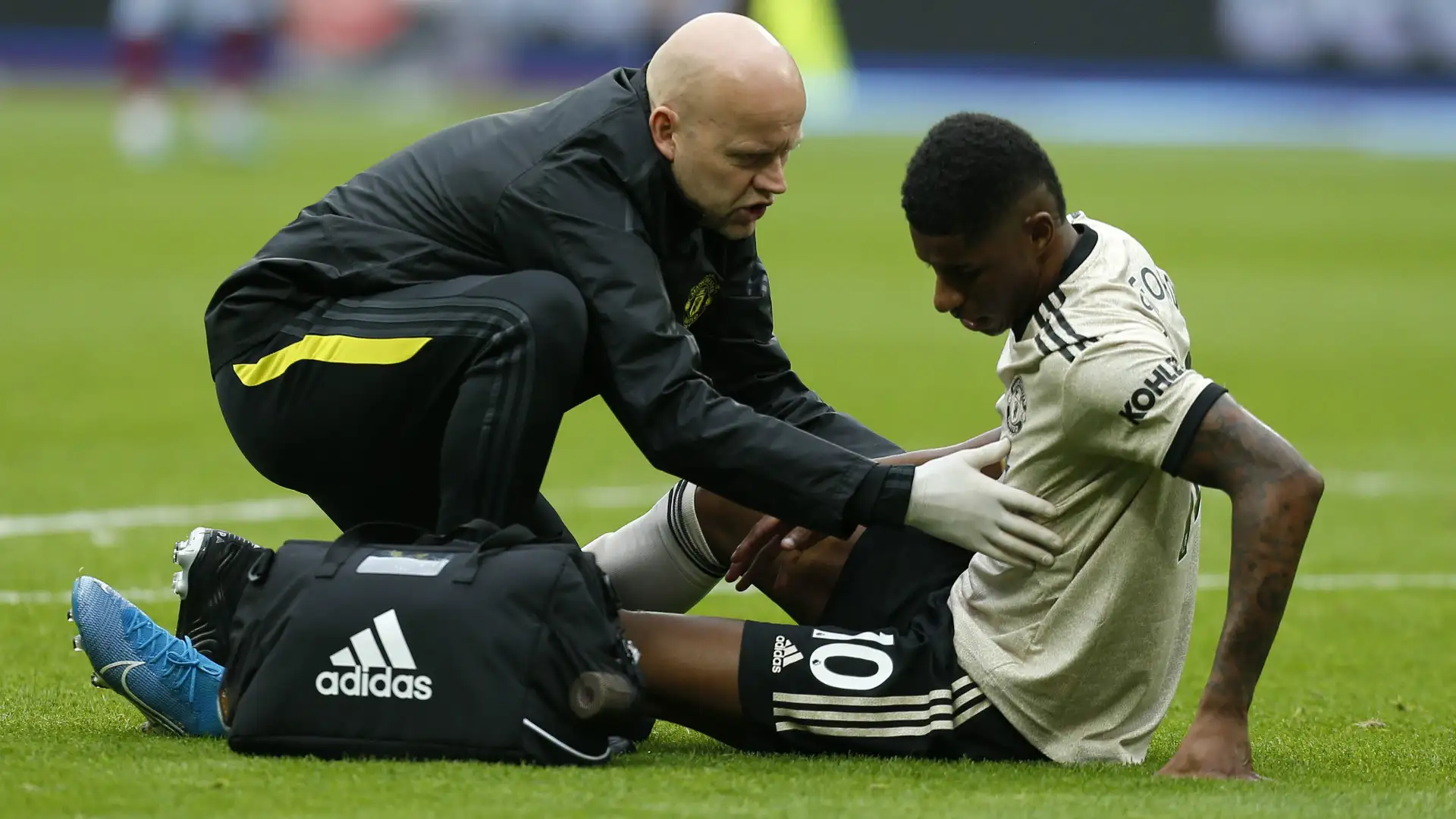
The conversation around Rashford injury news always moves fast. One day he looks sharp, the next day he’s on the treatment table, and suddenly the entire mood around Manchester United shifts with him. Fans don’t just follow his performances; they follow his fitness like a live storyline that changes week by week.
When a player like Marcus Rashford is involved, every small update becomes a headline. That’s because his influence on the pitch is not just about goals. It’s about pace, confidence, and the way he stretches defenses when he’s at his best. So whenever there’s a Rashford injury, it naturally raises big questions: How serious is it? How long will he be out? And what does it mean for the team?
In this article, we break down everything in a simple, human way—no fluff, just clear insight into his condition, recovery expectations, and impact on Manchester United’s plans.
Understanding the Latest Rashford Injury Situation
The current Rashford injury concern has sparked debate among fans and analysts. While not always season-ending, these fitness issues tend to disrupt his rhythm.
What makes this situation interesting is how unpredictable it can be. Sometimes it’s a minor knock that clears in days, other times it turns into a longer recovery process depending on muscle strain or match intensity.
In modern football, especially in the Premier League, even a small muscular issue is treated carefully. Clubs prefer caution over risk, especially with key attackers.
Why Rashford’s fitness matters so much
- He is one of Manchester United’s main goal threats
- His pace changes attacking structure instantly
- Opponents adjust their defensive lines when he plays
- The team struggles for consistency without him
So when a Rashford injury is reported, it’s not just about one player missing—it affects the entire system.
Rashford Injury Update: What We Know So Far
The latest Rashford injury update suggests a recovery phase that depends on rest, rehabilitation, and gradual return to training.
Although official medical details are usually limited, patterns from similar injuries in professional football give us a fair idea of what to expect.
Typically, the recovery timeline depends on:
- Severity of muscle strain or impact injury
- Player’s fitness history
- Training response during rehab
- Match schedule pressure
In Rashford’s case, the club is likely managing him carefully to avoid setbacks.
Rashford Injury Recovery Timeline Explained
When discussing a Rashford injury, the recovery timeline is the most searched topic. Fans want clarity, but football injuries rarely come with exact dates.
Here is a general breakdown of what recovery stages usually look like:
Stage 1: Initial Rest (1–5 days)
- Pain management
- Swelling reduction
- No training or light movement only
Stage 2: Early Rehabilitation (5–10 days)
- Light gym work
- Controlled physiotherapy
- Mobility exercises
Stage 3: Field Training Return (10–20 days)
- Light ball work
- Non-contact training
- Gradual intensity increase
Stage 4: Full Match Fitness (2–4 weeks)
- Full training sessions
- Match readiness tests
- Return to squad involvement
This means a Rashford injury can range from a short absence of one week to several weeks depending on severity.
How Rashford Injury Impacts Manchester United
Every Rashford injury forces Manchester United to rethink attacking strategy. His absence is not just numerical; it changes the style of play.
Tactical impact
- Reduced pace on counterattacks
- Less direct attacking threat from the left wing
- Increased pressure on central forwards
- Creativity gap in transition moments
Squad rotation challenges
When Rashford is unavailable, managers often need to adjust:
- Shifting midfielders into wider roles
- Relying on younger forwards
- Changing formation flexibility
This makes the Rashford injury more than a medical issue—it becomes a tactical puzzle.
Why Rashford Injury Recurrence Happens
One of the most discussed topics around the Rashford injury situation is why these issues tend to reappear.
Several football experts point to common reasons:
1. High workload
He plays a heavy number of minutes across competitions.
2. Explosive playing style
His speed and acceleration put strain on muscles.
3. Fixture congestion
Less recovery time between matches increases risk.
4. Tactical dependency
He is rarely rotated fully when fit.
All these factors contribute to repeated Rashford injury concerns over a season.
Rashford Injury and Performance Pressure
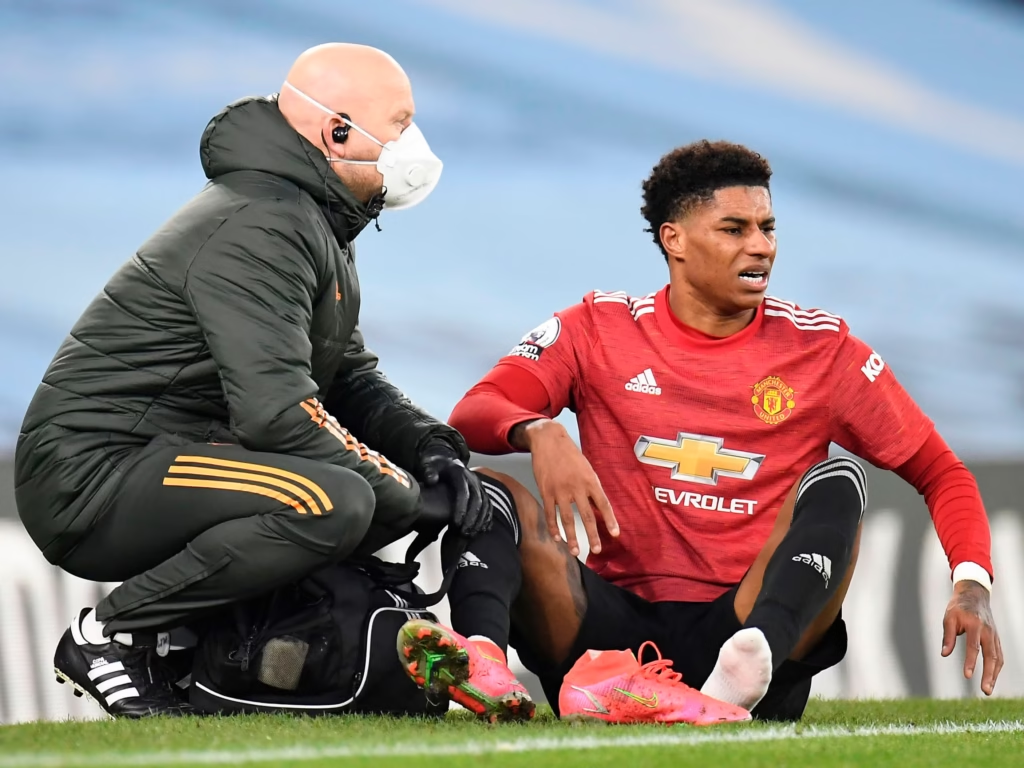
There’s also a mental side to the Rashford injury discussion. Players returning from injury often face pressure to perform immediately.
Fans expect instant impact, but reality is more complex. Match fitness is different from training fitness, and rhythm takes time to rebuild.
Rashford, like many elite players, needs a balance between:
- Physical recovery
- Mental confidence
- Tactical reintegration
Without all three, performance can drop even after recovery from a Rashford injury.
BIO: Marcus Rashford Profile
| Category | Details |
|---|---|
| Full Name | Marcus Rashford |
| Date of Birth | October 31, 1997 |
| Age | 27 (approx.) |
| Profession | Professional Footballer |
| Nationality | English |
| Net Worth (approx.) | £20–25 million |
| Notable Achievements | FA Cup winner, Europa League winner, England international, multiple Premier League seasons with Manchester United |
What Fans Can Expect Next
Looking ahead, the key focus around the Rashford injury is gradual reintegration. Clubs nowadays avoid rushing players back too early, especially with recurring muscle concerns.
Fans should expect:
- Careful training load management
- Possible bench return before full start
- Monitoring across multiple matches
- Communication updates from club staff
The biggest priority is avoiding relapse, which can extend a Rashford injury into a longer-term issue.
Expert Perspective on Rashford Injury Management
From a performance standpoint, managing a Rashford injury is about long-term availability, not short-term returns.
Modern sports science focuses on:
- Load tracking using GPS data
- Muscle recovery analysis
- Preventive physiotherapy
- Customized training programs
This means even if fans want quick returns, medical teams prioritize consistency across the season.
The Bigger Picture for Manchester United
When analyzing the Rashford injury, it’s important to zoom out. One player’s fitness often reflects deeper squad dependency issues.
Manchester United’s challenge is not just replacing him temporarily but building a system that doesn’t collapse without him.
That includes:
- Stronger squad depth
- Tactical flexibility
- Reduced reliance on single attackers
Without these adjustments, every Rashford injury continues to feel like a major setback.
Conclusion
The ongoing discussion around the Rashford injury shows how important he is to Manchester United’s identity. His pace, creativity, and attacking threat make him irreplaceable in many situations.
However, modern football demands patience. Recovery timelines must be respected, and long-term fitness is more valuable than rushed returns. While fans eagerly await his full comeback, the focus remains on ensuring that the Rashford injury does not turn into a recurring pattern.
Ultimately, his return will not just be a boost for Manchester United—it will also restore attacking balance and confidence across the squad.
If you follow Manchester United closely, this is the moment to stay patient, observe recovery updates, and see how the team adapts until he’s fully back at peak condition.