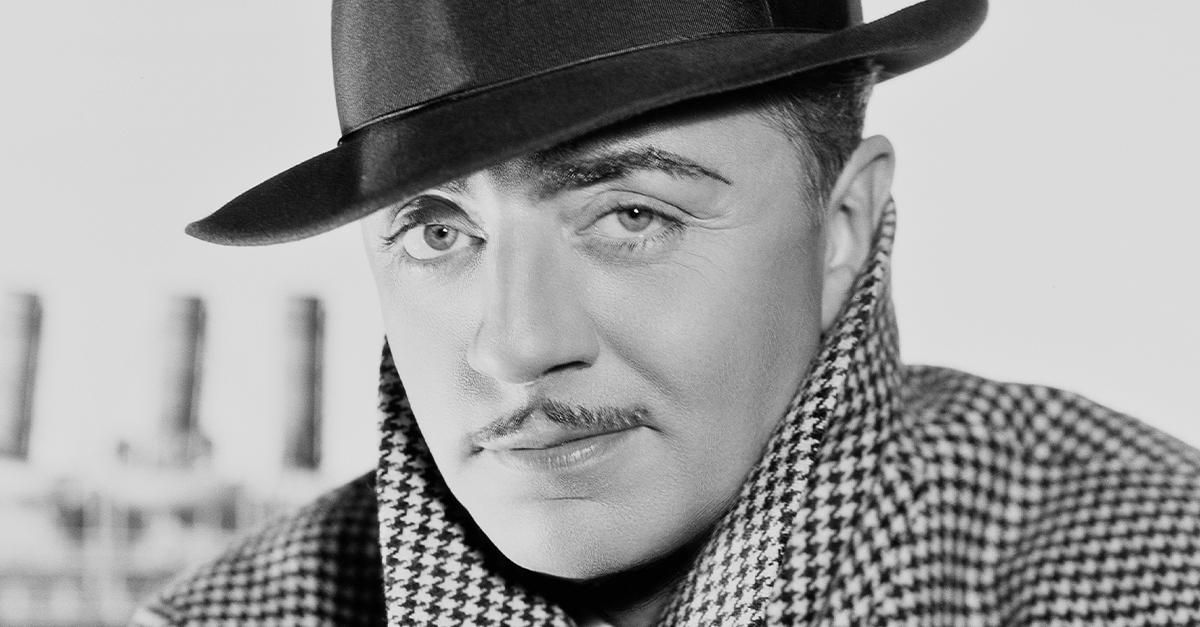
There are actors who fade with time, and then there are actors like William Powell, whose work seems to get richer the older it becomes. Watching his films today feels surprisingly modern, even though they were made in a completely different era of Hollywood. There’s a calm intelligence in his performances, a kind of effortless charm that never feels forced.
When people revisit classic cinema, William Powell often stands out not just for what he did on screen, but for how he did it. He didn’t rely on dramatic outbursts or exaggerated gestures. Instead, he used timing, wit, and subtle expression. That’s part of why William Powell continues to be discussed decades after his prime.
In this article, we’ll explore William Powell career highlights you should know, from his early beginnings to his unforgettable roles that shaped Hollywood’s Golden Age.
William Powell BIO (Quick Overview)
| Category | Details |
|---|---|
| Full Name | William Horatio Powell |
| Date of Birth | July 29, 1892 |
| Age | Deceased (Age 91 at passing in 1984) |
| Profession | Actor |
| Nationality | American |
| Net Worth (approx.) | Historical estimate varies; Hollywood star wealth |
| Notable Works / Achievements | The Thin Man series, My Man Godfrey, The Great Ziegfeld |
Early Career: The Beginning of William Powell’s Journey
Before William Powell became a household name in Hollywood, his journey started quietly on the stage. Like many actors of his era, he first developed his craft in theater, where discipline and presence mattered more than camera tricks or editing.
When he eventually transitioned to film, silent cinema was still dominant. This required a completely different kind of performance style. However, William Powell adapted quickly. He learned how to communicate emotion without words, using expressions and movement to carry meaning.
What’s interesting is how naturally he evolved when sound films arrived. Many silent film actors struggled with the transition, but William Powell didn’t. His voice turned out to be one of his greatest strengths—calm, smooth, and perfectly suited for sophisticated dialogue.
That transition marks one of the first major William Powell career highlights you should know.
Rise to Fame in Hollywood’s Golden Age
By the 1930s, William Powell had firmly established himself as a leading man. But unlike many stars of the era, he didn’t fit the typical “action hero” mold. Instead, he played intelligent, witty, and often morally complex characters.
Hollywood quickly realized something important: William Powell didn’t need to dominate a scene to control it. His presence alone was enough.
Why audiences connected with him
- Natural charm without exaggeration
- Sharp comedic timing
- Elegant, believable dialogue delivery
- Ability to balance humor and seriousness
This combination helped him rise during Hollywood’s most competitive period. In fact, William Powell career highlights from this era show a consistent pattern of versatility.
Breakthrough Roles That Defined His Career
My Man Godfrey (1936)
One of the most celebrated performances in William Powell’s career came in My Man Godfrey. The film blends comedy and social commentary, and Powell’s performance sits perfectly in the middle of both.
He plays a thoughtful, intelligent “forgotten man” who becomes entangled with a wealthy family. What makes this role special is how effortlessly he balances humor with emotional depth.
Many critics still consider this one of the finest examples of classic Hollywood comedy acting.
The Great Ziegfeld (1936)
Another key moment in William Powell career highlights is his appearance in The Great Ziegfeld. While not the emotional center of the film, his role added sophistication and structure to the narrative.
This performance helped reinforce his reputation as a dependable and elegant leading man in big studio productions.
The Thin Man Series: A Defining Legacy
If there is one part of William Powell career highlights you should know above all others, it is The Thin Man series.
This film franchise, starting in 1934, paired him with Myrna Loy, and together they created one of the most beloved on-screen duos in Hollywood history.
What made The Thin Man special?
- Sharp, witty dialogue
- Strong chemistry between leads
- A perfect mix of mystery and comedy
- Stylish, modern storytelling for its time
William Powell played Nick Charles, a retired detective with a relaxed attitude and a brilliant mind. His performance felt effortless, almost like he wasn’t acting at all.
The success of this series led to multiple sequels, each reinforcing William Powell’s status as a Hollywood icon.
Even today, film historians often point to The Thin Man as a blueprint for modern detective comedies.
Acting Style: Subtle, Intelligent, and Timeless
One of the reasons William Powell still stands out is his acting style. Unlike many actors of his time, he avoided exaggeration. His performances were quiet but precise.
Key traits of his acting:
- Controlled facial expressions
- Natural conversational tone
- Strong comedic timing without slapstick
- Emotional depth delivered subtly
In many William Powell films, the most powerful moments are the quietest ones. A raised eyebrow or slight pause often said more than a long monologue.
This subtlety is exactly what keeps his work relevant even today.
Career Challenges and Transitions
Even successful careers have turning points. For William Powell, the late 1930s and 1940s brought changes in the film industry and in audience expectations.
While he remained respected, Hollywood was shifting toward younger stars and more dramatic storytelling styles.
However, William Powell adapted by choosing roles carefully. He didn’t chase fame aggressively. Instead, he focused on maintaining quality.
This decision adds another layer to William Powell career highlights—you see not just success, but also restraint and intelligence in managing his legacy.
Later Career and Graceful Exit
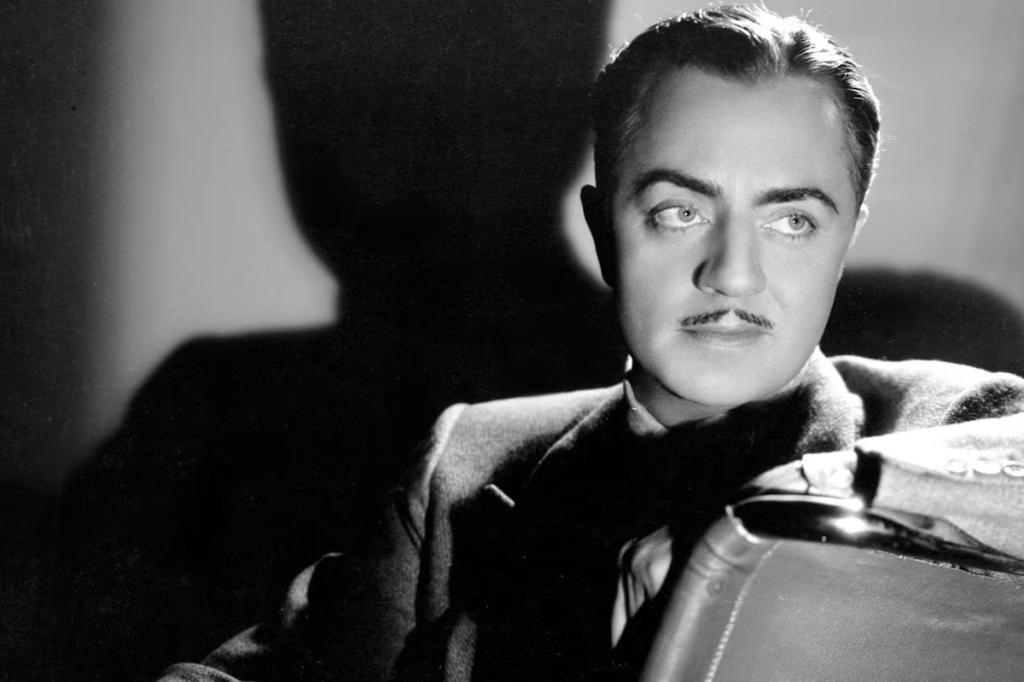
As he aged, William Powell gradually stepped away from acting. Unlike many stars who struggle with fading popularity, he exited gracefully, leaving behind a strong body of work.
His final appearances still carried the same elegance and control that defined his earlier career.
Even in smaller roles, he brought dignity and professionalism. That consistency is one of the most respected aspects of William Powell’s legacy.
William Powell Career Highlights at a Glance
Here is a simplified overview of his most important achievements:
- Transitioned successfully from silent films to sound cinema
- Became a leading man during Hollywood’s Golden Age
- Starred in My Man Godfrey, a classic film comedy
- Defined detective-comedy genre with The Thin Man series
- Maintained a long, respected career with consistent performances
- Built a reputation for intelligent, refined acting
Each of these moments contributes to the broader story of William Powell career highlights you should know.
Why William Powell Still Matters Today
It’s easy to assume that actors from early Hollywood belong only in film history books. But William Powell is different. His work still feels alive.
Modern audiences continue to rediscover his films because they offer something rare: intelligence without arrogance, humor without excess, and emotion without manipulation.
In many ways, William Powell represents a style of acting that is increasingly rare in today’s fast-paced entertainment world.
He reminds us that subtlety can be powerful.
Table: Key Highlights of William Powell’s Career
| Year | Film/Project | Significance |
|---|---|---|
| 1934 | The Thin Man | Breakthrough detective-comedy role |
| 1936 | My Man Godfrey | Academy Award-nominated performance |
| 1936 | The Great Ziegfeld | Major studio prestige film |
| 1930s–1940s | Thin Man Sequels | Established iconic film duo |
| Late Career | Select Roles | Maintained elegance and consistency |
Conclusion
A Legacy Built on Elegance and Intelligence
Looking back at William Powell career highlights you should know, one thing becomes clear: his success wasn’t built on spectacle. It was built on consistency, intelligence, and a deep understanding of character.
He never tried to dominate the screen. Instead, he worked within it, shaping scenes with subtle precision. That’s why his performances still feel relevant decades later.
William Powell remains a reminder that true screen presence doesn’t always shout—it often speaks softly and leaves a lasting impression.
If you’ve seen his films, you already understand his appeal. If not, his work is well worth discovering. And once you do, it’s hard not to appreciate just how refined his craft really was.