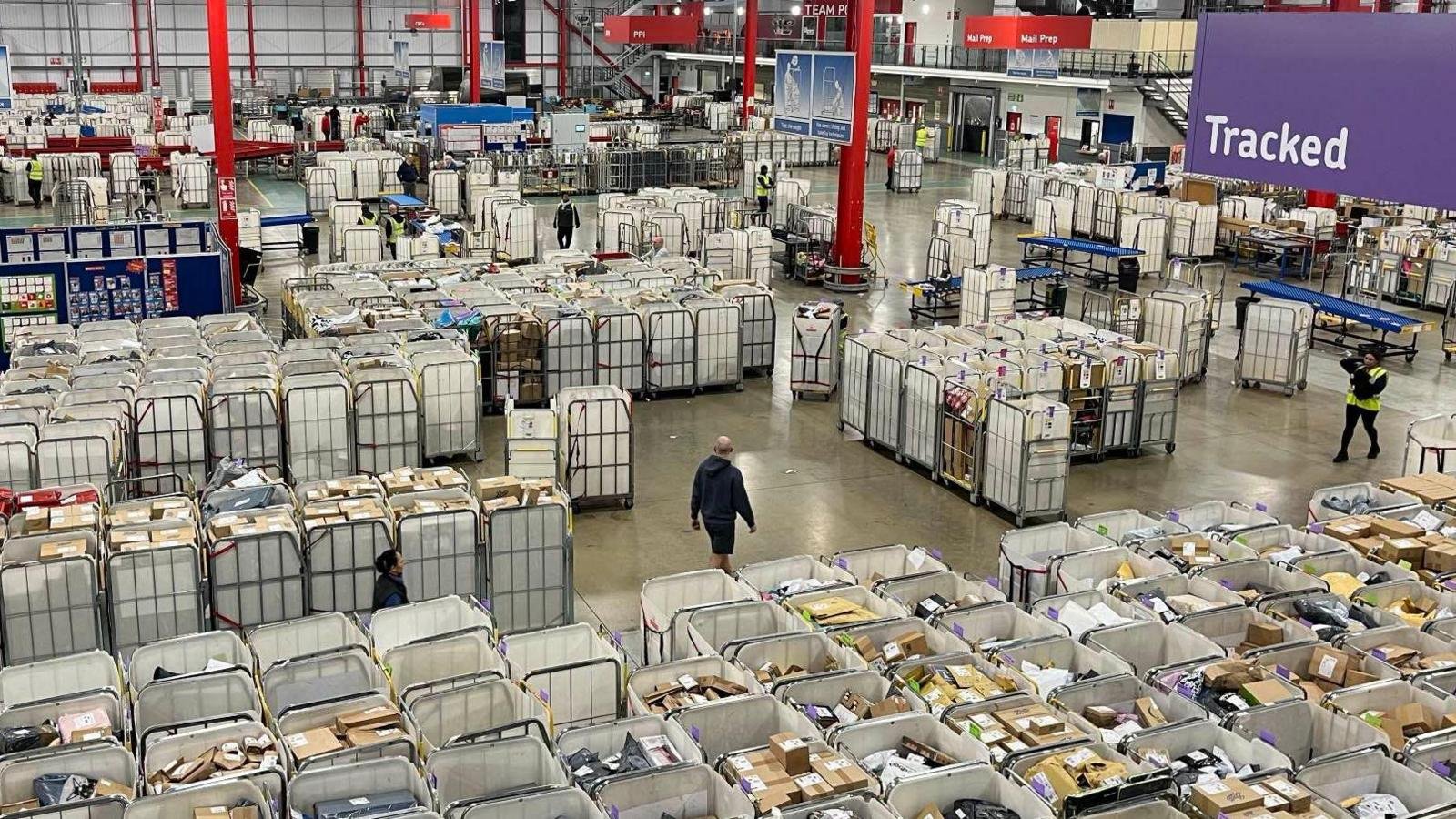
Waiting for a parcel that “should have arrived yesterday” is frustrating in a way almost everyone understands. You check the tracking page, refresh it again a few hours later, and still nothing changes. In 2026, conversations around Royal Mail Delays have become more common, and customers are increasingly looking for clear answers rather than vague explanations.
The truth is, postal systems are under more pressure than ever. Online shopping has grown, international deliveries have increased, and customer expectations are higher than at any point in history. So when Royal Mail Delays happen, the impact feels even bigger.
This article breaks everything down in a simple, human way—why delays happen, what they mean for customers, and what you can realistically do about them. No jargon, no confusion, just practical insight.
Understanding Royal Mail Delays in 2026
To understand Royal Mail Delays, it helps to first understand how modern postal systems work. Royal Mail handles millions of items every single day. These items move through sorting centers, transport networks, regional hubs, and delivery offices before they reach your door.
Even a small disruption in one part of the chain can create a ripple effect.
In 2026, Royal Mail Delays are not caused by a single issue. Instead, they are usually the result of multiple overlapping factors such as demand spikes, staffing pressure, weather conditions, and logistical challenges.
Why Royal Mail Delays Are Happening More Often
Increased Online Shopping Pressure
One of the biggest reasons behind Royal Mail Delays is the explosion of online shopping. From clothing to electronics to everyday essentials, more people are ordering online than ever before.
This creates:
- Higher parcel volumes
- Longer sorting times
- Increased pressure on delivery routes
Even with automation, the system still relies heavily on human handling.
Staffing Challenges
Another major factor in Royal Mail Delays is workforce availability. Delivery services depend on enough staff being available for sorting, transportation, and delivery.
When there are shortages due to illness, holidays, or recruitment gaps, delays become more likely.
Weather Disruptions
Weather may seem like a simple reason, but it has a real impact. Heavy rain, storms, snow, or flooding can slow down transportation routes and even temporarily shut down delivery offices.
In such cases, Royal Mail Delays are not just possible—they are expected until conditions improve.
Seasonal Peaks and Holiday Pressure
Every year, peak seasons such as Christmas or major sale periods create huge spikes in parcel volumes. During these times, Royal Mail Delays become more common simply because the system is handling far more packages than usual.
How Royal Mail Delays Affect Customers
When people experience Royal Mail Delays, the impact is not just about waiting longer. It often affects plans, businesses, and personal commitments.
Common Customer Experiences
- Missed delivery dates
- Uncertainty about parcel location
- Delayed business shipments
- Frustration with tracking updates
For small business owners, Royal Mail Delays can also mean unhappy customers and lost trust.
Tracking and Understanding Delay Updates
One confusing part of Royal Mail Delays is tracking information that doesn’t update regularly. Many customers assume this means something is wrong, but that is not always the case.
Sometimes, parcels move through the system without real-time updates until they reach the next scanning point.
What Different Tracking Statuses Mean
- In transit: Your parcel is moving through the network
- Delayed: The parcel is taking longer than expected
- Out for delivery: It is on the final delivery route
- Held: There may be a temporary processing issue
Understanding these messages helps reduce stress during Royal Mail Delays.
What You Can Do During Royal Mail Delays
Even though customers cannot directly fix Royal Mail Delays, there are practical steps that can help reduce frustration.
Stay Patient but Alert
Delays are often temporary. In many cases, parcels resume movement within 24–72 hours.
Check Tracking Regularly (But Not Excessively)
Refreshing every few minutes won’t speed anything up. Checking once or twice a day is usually enough.
Contact Support When Necessary
If Royal Mail Delays extend beyond expected timeframes, contacting customer service may help clarify the situation.
Confirm Delivery Details
Sometimes delays are caused by simple issues like:
- Incorrect address
- Missing apartment number
- Delivery restrictions
Practical Tips to Avoid Problems with Royal Mail Delays
Here are some helpful ways to reduce the impact of Royal Mail Delays in the future:
1. Order Early
If you need something by a specific date, don’t leave it to the last minute. Build in extra time for possible delays.
2. Use Tracked Services
Tracked shipping provides better visibility and reduces uncertainty during Royal Mail Delays.
3. Double-Check Address Details
Even small errors can cause major delays in sorting and delivery.
4. Avoid Peak Shipping Days
Where possible, avoid ordering during major sales or holiday rush periods.
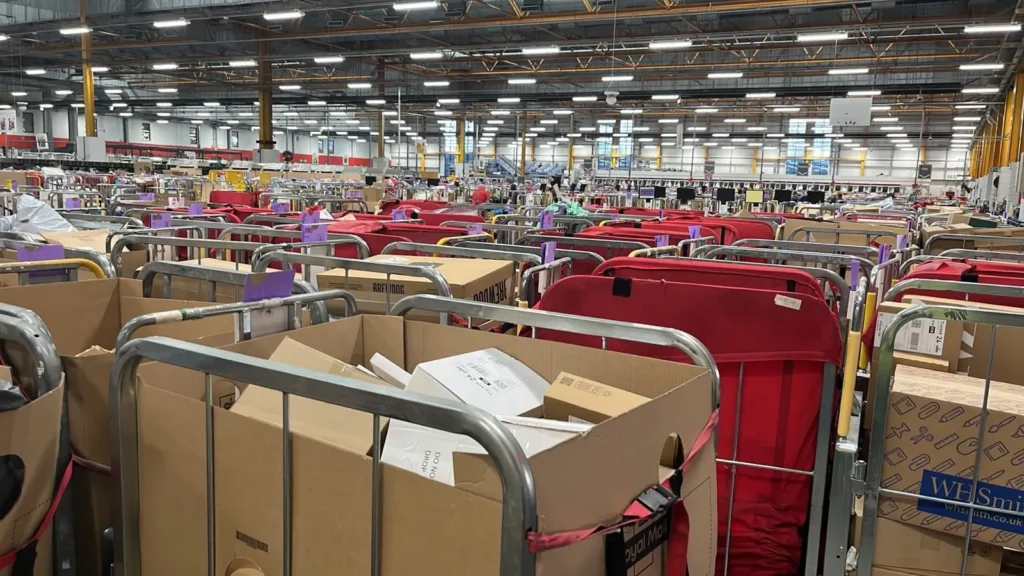
Causes vs Impact of Royal Mail Delays
| Cause | Impact on Delivery | Customer Experience | Possible Solution |
|---|---|---|---|
| High parcel volume | Slower processing | Longer wait times | Order early |
| Staffing shortages | Reduced delivery speed | Missed delivery dates | Track parcels |
| Weather disruptions | Transport delays | Unpredictable arrival | Wait for clearance |
| Peak seasons | System overload | Frequent delays | Use off-peak shipping |
| Sorting issues | Misrouted parcels | Confusing tracking | Contact support |
This table helps simplify the main reasons behind Royal Mail Delays and what customers can realistically expect.
How Royal Mail Is Responding to Delays
To manage Royal Mail Delays, the organisation continues to invest in improvements such as automation, better logistics planning, and expanded delivery networks.
Some key efforts include:
- Upgrading sorting technology
- Increasing delivery capacity
- Improving tracking systems
- Hiring seasonal staff during peak times
However, despite these improvements, Royal Mail Delays can still happen due to unexpected disruptions.
Realistic Expectations in 2026
One important thing customers should understand is that no delivery network is perfect. Even with advanced systems, Royal Mail Delays will still occur occasionally.
The key is setting realistic expectations. Not every delay means a lost parcel or serious issue. In many cases, it simply reflects temporary pressure on the system.
Being aware of this helps reduce stress and confusion.
When You Should Be Concerned
While most Royal Mail Delays are harmless and temporary, there are times when action may be needed.
You should consider contacting support if:
- Your parcel has not moved for more than 5–7 working days
- Tracking shows no updates for a long period
- Delivery status is unclear or stuck
- The item is urgently needed and overdue
In these cases, further investigation can help resolve the issue.
Conclusion
In 2026, Royal Mail Delays are a common part of the delivery landscape, influenced by demand, staffing, weather, and seasonal pressures. While frustrating, most delays are temporary and resolve without serious intervention.
Understanding how Royal Mail Delays happen helps customers stay calm and make better decisions—whether that means ordering earlier, choosing tracked delivery, or simply allowing extra time for arrival.
At the end of the day, patience and preparation go a long way. If you’ve experienced Royal Mail Delays recently, you’re not alone—and in most cases, your parcel is already on its way, just taking a slightly longer route than expected.
If you’ve had experiences with Royal Mail Delays, sharing them can also help others understand what to expect and how to plan better in the future.