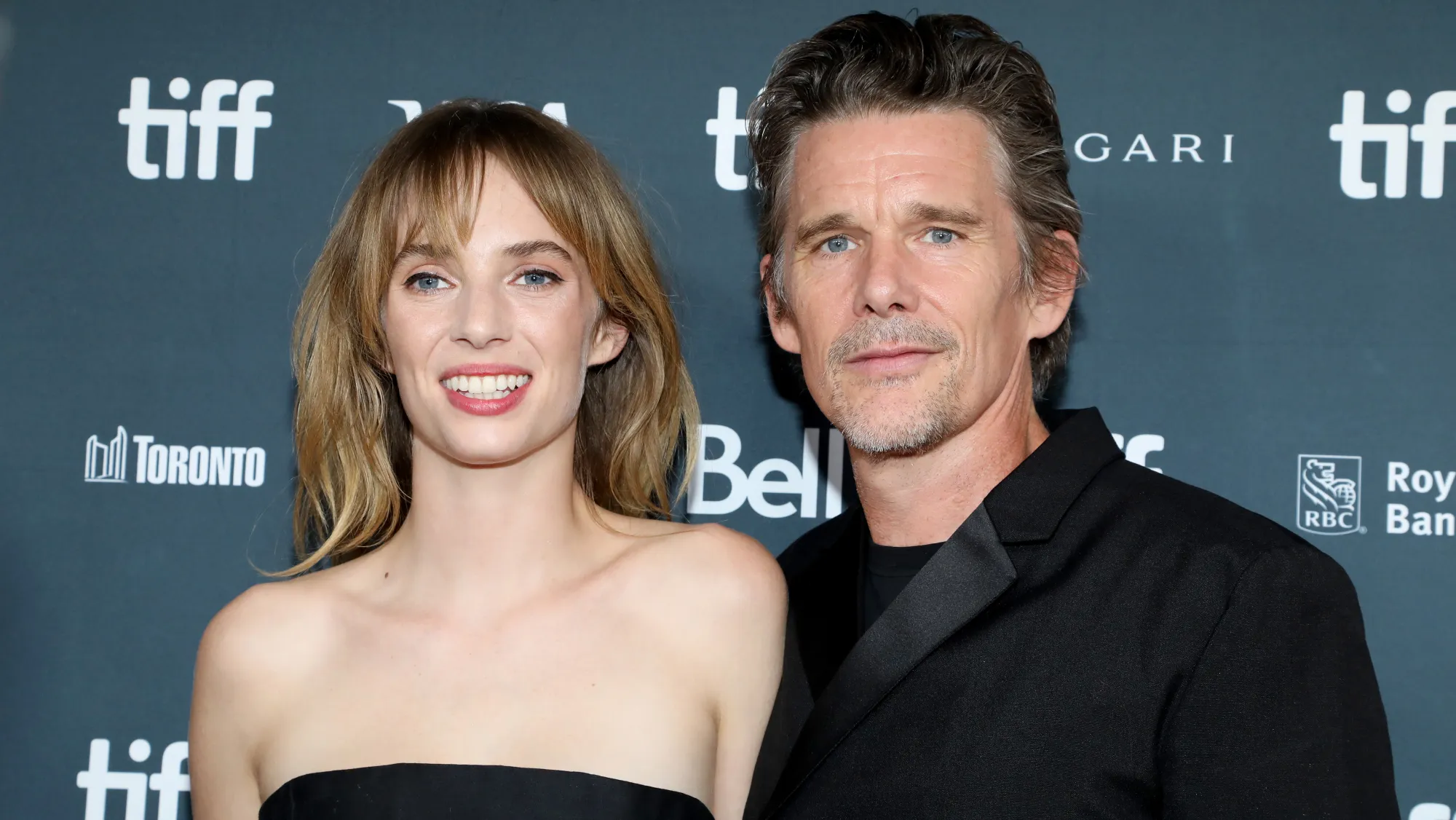
Some actors fade after their first big moment. Others manage to evolve, reshape themselves, and stay relevant for decades. Ethan Hawke clearly belongs to the second group.
When people talk about modern Hollywood actors who balance mainstream success with artistic depth, Ethan Hawke is almost always part of the conversation. His career doesn’t follow a straight line. Instead, it moves through phases of experimentation, risk-taking, and constant reinvention.
What makes Ethan Hawke especially interesting is not just the number of films he has done, but the variety of them. He can appear in a quiet independent drama one year and a high-concept thriller the next. That range is rare, and it’s part of why Ethan Hawke has built a reputation that goes far beyond typical Hollywood fame.
In this article, we explore how Ethan Hawke went from a young promising actor to a respected legend in modern cinema.
BIO of Ethan Hawke
| Information | Details |
|---|---|
| Full Name | Ethan Green Hawke |
| Date of Birth | November 6, 1970 |
| Age | 55 (approx.) |
| Profession | Actor, writer, director |
| Nationality | American |
| Net Worth | Approx. $55 million |
| Notable Works | Dead Poets Society, Before Sunrise, Training Day, Boyhood |
Early life and first steps in acting
Before Ethan Hawke became a recognizable Hollywood name, he was just a young teenager with curiosity and ambition. He didn’t come from a film family or Hollywood background, which makes his rise even more interesting.
His early passion for acting was shaped by theatre and school performances. At a young age, Ethan Hawke already showed a level of seriousness that set him apart from many of his peers. He wasn’t just interested in fame; he was interested in storytelling.
That mindset would later define his entire career.
When he got his first roles, he was still learning how the industry worked. However, even in those early performances, Ethan Hawke showed emotional depth and a natural screen presence that caught attention quickly.
Breakthrough with Dead Poets Society
The turning point in Ethan Hawke’s career came with Dead Poets Society. This film didn’t just make him visible; it made him unforgettable.
Sharing the screen with Robin Williams, Ethan Hawke played a shy student discovering his voice and identity. The role fit him perfectly at the time, and audiences immediately connected with his performance.
This was the moment Ethan Hawke stopped being “a young actor” and started becoming a serious name in Hollywood.
Why this role mattered:
- It showcased emotional authenticity
- It placed him in a critically acclaimed film
- It connected him with global audiences
- It opened doors for future leading roles
From this point onward, Ethan Hawke was no longer unknown.
Building a career with depth and risk
After his breakthrough, Ethan Hawke didn’t follow the typical Hollywood path. Instead of chasing only blockbuster fame, he explored more artistic and independent projects.
This decision shaped his entire identity as an actor.
While some actors focus purely on commercial success, Ethan Hawke chose a balance between art and mainstream cinema. That balance is what makes his career so unique.
Ethan Hawke often picks roles that challenge him rather than simply entertain. This approach has earned him respect from critics and audiences alike.
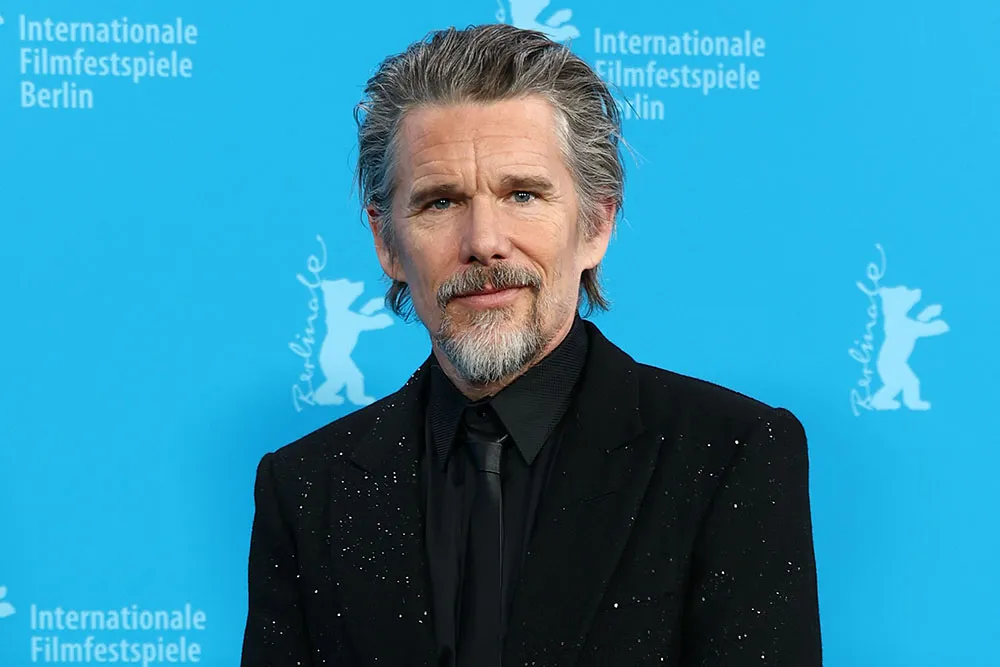
The Before trilogy: a defining moment
One of the most important phases in Ethan Hawke’s career is the Before trilogy, directed by Richard Linklater.
These films are not traditional Hollywood stories. They are intimate, dialogue-driven explorations of love, time, and human connection.
The trilogy includes:
- Before Sunrise
- Before Sunset
- Before Midnight
What makes this series special is its realism. Ethan Hawke and his co-star return to the same characters over decades, allowing audiences to grow with them.
This is where Ethan Hawke truly demonstrated his ability to evolve on screen in a deeply human way.
Many fans consider this trilogy one of the most honest portrayals of relationships in modern cinema.
Ethan Hawke in mainstream cinema
Even while working on independent films, Ethan Hawke never completely stepped away from mainstream Hollywood.
One of his most notable performances came in Training Day, where he starred alongside Denzel Washington. This role showed a completely different side of Ethan Hawke.
Instead of introspective and romantic characters, he played a tense, morally challenged police officer. The performance earned him critical acclaim and an Academy Award nomination.
This proved something important: Ethan Hawke could succeed in both independent cinema and big studio films.
Ethan Hawke as a writer and director
Many people know Ethan Hawke as an actor, but fewer realize how active he is behind the camera and on the page.
He has written books, directed films, and contributed to theater productions. This creative diversity is part of what makes Ethan Hawke such a respected figure in the industry.
His creative roles include:
- Film director
- Screenwriter
- Novelist
- Theatre performer
This multi-layered career shows that Ethan Hawke is not limited to acting alone. He is a storyteller in the broadest sense.
Ethan Hawke and artistic identity
What separates Ethan Hawke from many Hollywood actors is his clear artistic identity. He doesn’t try to fit into one category.
Instead, he moves between genres, styles, and formats.
Some of his projects are deeply emotional, while others are experimental or even philosophical. This variety keeps his work fresh and unpredictable.
Ethan Hawke is not afraid of failure. That willingness to take risks has played a huge role in his long-term success.
Notable films and performances
Over the years, Ethan Hawke has built a filmography filled with memorable performances.
Key films include:
- Dead Poets Society
- Reality Bites
- Before Sunrise
- Training Day
- Boyhood
- First Reformed
Each of these films highlights a different aspect of Ethan Hawke’s talent.
In Boyhood, for example, his role reflects real aging over years of filming. In First Reformed, he delivers one of his most intense and thoughtful performances.
Ethan Hawke’s acting style
Ethan Hawke’s acting style is often described as natural, understated, and emotionally honest.
Key characteristics:
1. Subtle expression
He avoids overacting and focuses on realism.
2. Emotional intelligence
His characters often feel deeply human and relatable.
3. Intellectual depth
He tends to choose scripts with strong philosophical or emotional layers.
4. Versatility
From drama to thriller, Ethan Hawke adapts easily.
This combination makes Ethan Hawke a favorite among directors who value authenticity.
Awards and recognition
Throughout his career, Ethan Hawke has received numerous awards and nominations. While he is not driven purely by awards, recognition has followed his consistent work.
He has been nominated for Oscars, Golden Globes, and other major film awards multiple times.
However, what stands out most is not the awards themselves, but the respect he has earned within the industry.
Table: Ethan Hawke overview
| Category | Details |
|---|---|
| Acting debut | 1980s |
| Breakthrough | Dead Poets Society |
| Famous trilogy | Before series |
| Major awards | Oscar nominations |
| Creative work | Writing, directing |
| Career style | Independent + mainstream balance |
Why Ethan Hawke remains relevant today
In an industry that constantly changes, staying relevant for decades is not easy. Yet Ethan Hawke continues to evolve.
There are several reasons for this:
- He chooses meaningful projects
- He avoids overexposure
- He balances art and commercial work
- He continuously reinvents himself
Ethan Hawke does not rely on nostalgia. He continues to create new work that resonates with modern audiences.
Influence on modern cinema
Ethan Hawke has influenced a generation of actors who want more than just fame. Many younger performers admire his ability to combine artistic integrity with mainstream success.
He has shown that it is possible to build a long career without sacrificing creative identity.
That influence is part of his legacy.
Ethan Hawke as a cultural figure
Beyond films, Ethan Hawke represents a type of modern artist who values depth over celebrity culture.
He is often associated with thoughtful storytelling, emotional honesty, and intellectual cinema.
This makes Ethan Hawke more than just an actor. He is a cultural reference point in contemporary film.
Conclusion
Ethan Hawke’s journey from a young actor in Dead Poets Society to a respected figure in global cinema is a story of consistency, risk-taking, and artistic curiosity.
What makes Ethan Hawke truly stand out is not just his filmography, but his attitude toward work. He doesn’t chase trends. He builds a career based on meaning, depth, and evolution.
Today, Ethan Hawke stands as a reminder that success in Hollywood doesn’t have to follow a single formula. It can be slow, thoughtful, and deeply creative.
And perhaps that is why Ethan Hawke continues to matter—not just as an actor, but as a storyteller who never stopped growing.
If his journey inspires you, or if you have a favorite Ethan Hawke film, it’s always worth revisiting his work with fresh eyes and a new perspective.