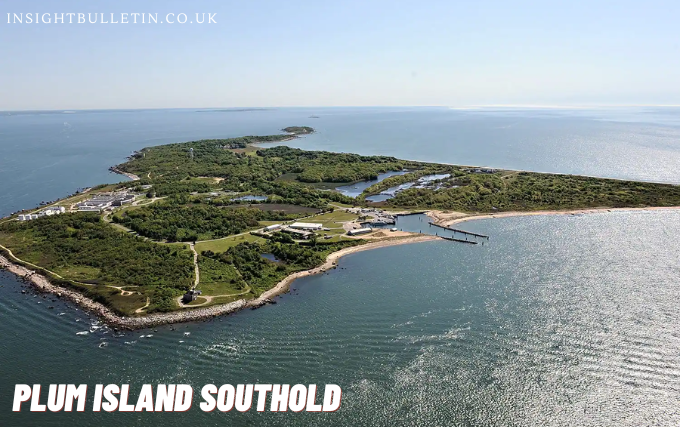
Plum Island, located off the northeastern tip of Long Island in Southold, New York (ZIP code 11957), is one of the most intriguing and historically rich islands in the United States. Known for its restricted access, scientific research facilities, and ecological importance, Plum Island has long captured public curiosity. From its role in national security to its unique wildlife habitats, this small island holds a significant place in American history and environmental conservation.
This article explores the island’s past, its scientific contributions, ecological value, and what the future may hold for Plum Island.
The Geographic Overview of Plum Island
Plum Island lies just off the coast of Southold in Suffolk County, New York. Positioned between the eastern end of Long Island and Fishers Island, it is separated from the mainland by Plum Gut, a narrow waterway known for its strong tidal currents.
The island spans approximately 840 acres and is characterized by a mix of rocky shoreline, sandy beaches, wetlands, and forested areas. Its strategic location has made it important for navigation, military defense, and scientific research. The surrounding waters are rich in marine biodiversity, adding to the island’s ecological significance.
Despite its proximity to popular tourist destinations like the Hamptons and Montauk, Plum Island remains largely inaccessible to the public, which has helped preserve its natural landscape.
A Brief History of Plum Island
Plum Island’s history dates back to Native American settlements, where indigenous tribes used the land for fishing and seasonal habitation. European settlers later arrived in the 17th century, incorporating the island into colonial land holdings.
In the late 19th century, the U.S. government recognized Plum Island’s strategic value and established military installations. Fort Terry was built in 1897 as part of the coastal defense system to protect New York Harbor. During both World Wars, the island served as a military base, playing a role in national defense.
After World War II, Plum Island transitioned from military use to scientific research, marking a significant shift in its purpose and global importance.
The Plum Island Animal Disease Center
One of the most notable features of Plum Island is the Plum Island Animal Disease Center (PIADC). Established in 1954, the facility has been dedicated to studying foreign animal diseases that could threaten livestock and agriculture in the United States.
The center conducts research on diseases such as foot-and-mouth disease, African swine fever, and other highly contagious livestock illnesses. Its isolated location makes it ideal for containing and studying these pathogens safely.
Operated by federal agencies, the facility has played a crucial role in protecting the U.S. food supply and agricultural economy. Scientists working on Plum Island have contributed to disease prevention strategies, vaccine development, and emergency response planning.
Myths and Conspiracy Theories
Plum Island’s restricted access and secretive nature have fueled numerous conspiracy theories over the years. Some speculate about biological weapons testing, genetic experiments, and links to mysterious animal mutations.
Books and media have further popularized these theories, often blending fact with fiction. While there is no credible evidence supporting such claims, the island’s history as a high-security research facility has naturally led to speculation.
In reality, the work conducted on Plum Island has been focused on animal health and biosecurity, with strict regulations and oversight to ensure safety and transparency.
Ecological Importance of Plum Island
Beyond its scientific and historical significance, Plum Island is a vital ecological haven. Due to limited human activity, the island has become a refuge for various plant and animal species.
The island’s diverse habitats include:
- Coastal dunes
- Salt marshes
- Grasslands
- Woodlands
These ecosystems support migratory birds, marine life, and rare plant species. Birdwatchers consider Plum Island an important stopover for migratory species along the Atlantic Flyway.
Additionally, the surrounding waters are home to fish, shellfish, and marine mammals, contributing to the overall biodiversity of the region.
Restricted Access and Security Measures
Public access to Plum Island has been restricted for decades due to its role as a high-security research facility. The island is monitored and controlled by federal authorities, and unauthorized entry is prohibited.
This restricted status has helped maintain the island’s pristine environment, but it has also limited opportunities for public education and tourism. Only authorized personnel and researchers are allowed to visit the island.
The isolation and security measures have played a key role in preventing the spread of potentially dangerous animal diseases studied at the facility.
Transition Plans and Future Development
In recent years, there have been discussions about the future of Plum Island, particularly regarding the relocation of the Plum Island Animal Disease Center. Plans were proposed to move research operations to a new facility in Kansas, known as the National Bio and Agro-Defense Facility (NBAF).
As a result, the federal government has considered selling Plum Island for potential development. This has sparked debate among conservationists, local residents, and policymakers.
Some advocate for preserving the island as a protected wildlife refuge, while others see opportunities for controlled development or educational use. The outcome of these discussions will significantly impact the island’s future.
Environmental Concerns and Preservation Efforts
Environmental groups have raised concerns about the potential sale and development of Plum Island. They emphasize the need to protect its unique ecosystems and prevent habitat destruction.
Organizations have proposed designating Plum Island as a national wildlife refuge or conservation area. Such a designation would ensure long-term protection for its natural resources and biodiversity.
Cleanup efforts have also been discussed to address any environmental impacts from decades of research activities. Ensuring the island’s ecological integrity is a priority for many stakeholders.
Cultural and Local Significance
For residents of Southold and the surrounding areas, Plum Island holds cultural and historical value. It is a recognizable landmark and a symbol of the region’s maritime heritage.
Local communities have a vested interest in the island’s future, as any changes could affect tourism, the environment, and the local economy. The island’s story is intertwined with the broader history of Long Island and its development over time.
Tourism Potential and Public Interest
Although currently off-limits, Plum Island has significant tourism potential. Its natural beauty, historical sites, and mysterious reputation make it an आकर्षक destination for visitors.
If access were to be granted in the future, guided tours, educational programs, and eco-tourism initiatives could be developed. These activities could provide economic benefits while promoting environmental awareness.
However, any tourism development would need to be carefully managed to preserve the island’s delicate ecosystems.
The Role of Plum Island in Modern Science
Plum Island has played a critical role in advancing veterinary science and biosecurity. Research conducted on the island has helped prevent outbreaks that could devastate livestock industries.
The knowledge gained from studies on Plum Island continues to influence global efforts to combat animal diseases. Its contributions extend beyond the United States, supporting international health and agricultural stability.
Even as operations transition to new facilities, the legacy of Plum Island remains an important part of scientific history.
Conclusion
Plum Island in Southold, NY 11957, stands as a unique blend of history, science, and natural beauty. From its early days as a military outpost to its role as a leading research center for animal diseases, the island has continuously evolved.
Its ecological importance and restricted access have preserved a rare natural environment, while its mysterious reputation has captured public imagination. As discussions about its future continue, balancing development with conservation will be crucial.
Whether it becomes a protected wildlife refuge, an educational hub, or remains restricted, Plum Island will undoubtedly remain a fascinating and significant landmark for generations to come.