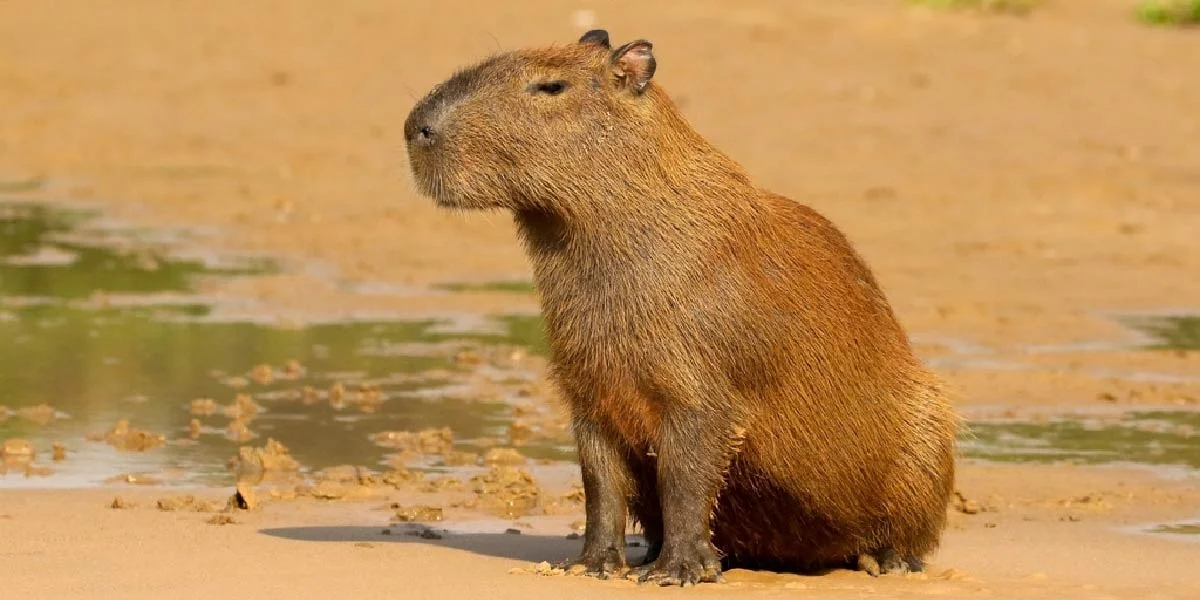
When people first hear the word cadibara, they often pause for a moment. It sounds familiar, yet slightly unfamiliar at the same time. Many assume it refers to a rare or exotic animal, and in a way, that curiosity is exactly what makes the cadibara so interesting to explore.
The cadibara has become a popular search topic among nature enthusiasts, animal lovers, and students who are trying to understand unusual wildlife species. Even though it is not widely discussed in traditional zoology textbooks, the fascination around the cadibara continues to grow online.
What makes it so special? Why do so many people search for cadibara facts, behavior, and habitat details?
In this article, we will explore 7 amazing facts about Cadibara, breaking down its lifestyle, characteristics, and ecological importance in a simple and engaging way.
1. Cadibara is often associated with semi-aquatic behavior
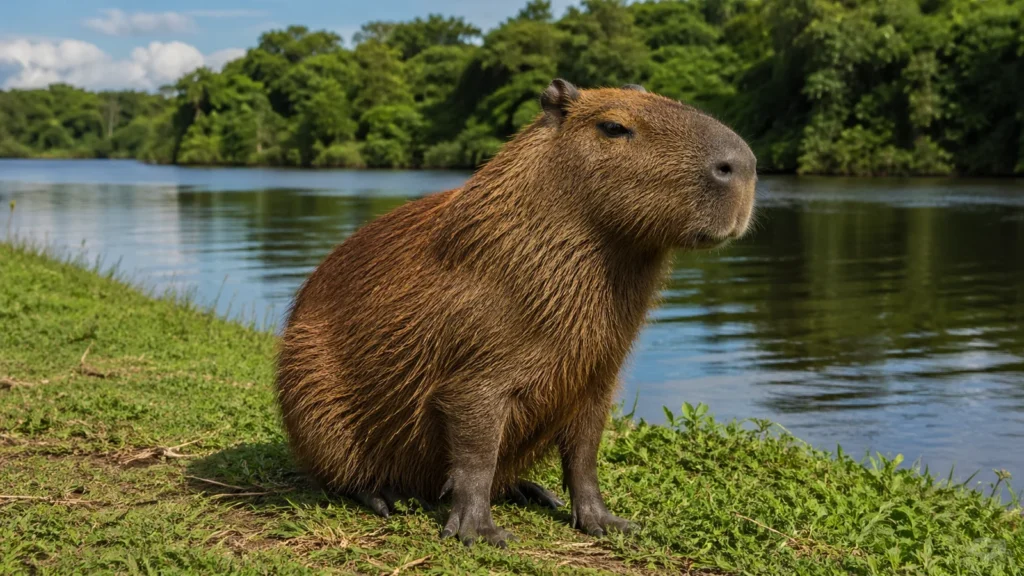
One of the most interesting facts about the cadibara is its strong connection with water environments. Many descriptions of the cadibara suggest that it prefers wetlands, riversides, and humid ecosystems.
This makes it similar in behavior to semi-aquatic mammals found in tropical regions.
Related LSI keywords:
wetland habitat, aquatic mammal, river ecosystem, freshwater environment, marshland wildlife, tropical nature, biodiversity, ecological balance, swamp animals, water adaptation, survival instincts.
The cadibara is often described as an animal that thrives in environments where land and water meet.
2. Cadibara is believed to be highly social in nature
Another fascinating trait of the cadibara is its social behavior. Reports and interpretations of this animal suggest that it may live in small groups rather than in isolation.
Social animals typically show:
- group protection
- cooperative behavior
- shared movement patterns
- communication signals
LSI keywords:
animal behavior, social structure, herd dynamics, group living, communication patterns, wildlife interaction, cooperative survival, species behavior, natural instincts.
The cadibara is often studied as an example of how animals adapt through community living.
3. Cadibara has a diet that reflects environmental adaptability
The diet of the cadibara is another area of curiosity. It is believed to be an adaptable feeder, meaning it consumes a variety of natural food sources depending on availability.
This may include:
- grasses
- aquatic plants
- leaves
- roots
- soft vegetation
LSI keywords:
herbivorous diet, plant-based feeding, grazing behavior, natural foraging, ecosystem balance, nutrition in wildlife, survival diet, forest vegetation.
The cadibara demonstrates how animals adjust their feeding habits based on environmental conditions.
4. Cadibara is linked to tropical biodiversity ecosystems
The cadibara is often discussed in the context of rich biodiversity regions. These environments are known for high species diversity and ecological complexity.
Such ecosystems include:
- tropical forests
- river basins
- rainforest edges
- wetlands
- coastal zones
LSI keywords:
biodiversity hotspot, tropical ecosystem, wildlife conservation, ecological diversity, rainforest habitat, natural habitat, environmental science, ecosystem stability.
In these environments, the cadibara plays a role in maintaining ecological balance.
5. Cadibara shows strong adaptation to environmental changes
One of the most remarkable qualities associated with the cadibara is adaptability. Animals that survive in changing environments usually develop flexible behaviors and survival strategies.
The cadibara is often described as capable of adjusting to:
- seasonal changes
- food availability
- water levels
- temperature variations
- habitat shifts
LSI keywords:
adaptation, environmental resilience, climate response, survival mechanisms, ecological flexibility, natural selection, evolutionary traits, wildlife adaptation strategies.
This adaptability makes the cadibara an interesting subject for ecological studies.
6. Cadibara is often misunderstood in online discussions
A surprising fact about the cadibara is that much of its online presence comes from confusion or misinterpretation. Many people encounter the term through search engines and assume it refers to a specific known animal species.
However, the cadibara often appears in:
- blog content
- SEO articles
- informational searches
- wildlife curiosity discussions
7. Cadibara represents curiosity in modern digital nature content
The final and perhaps most interesting fact about the cadibara is its role in digital content culture. In today’s world, people constantly search for new or unfamiliar animal names, even when they are not widely documented.
The cadibara has become part of this trend, representing:
- curiosity-driven search behavior
- viral informational keywords
- educational content creation
- wildlife SEO topics
- global interest in nature
LSI keywords:
content marketing, SEO wildlife topics, digital curiosity, educational blogging, nature exploration, animal discovery, internet knowledge trends, informational content growth.
In this sense, the cadibara is not just an animal concept—it is also a reflection of how people explore information online.
BIO Section
Cadibara Overview
Since the cadibara is not a scientifically confirmed public figure or documented species in formal taxonomy, this section reflects general contextual usage.
| Category | Details |
|---|---|
| Name | Cadibara |
| Classification | Informal / conceptual wildlife term |
| Habitat | Wetland and tropical ecosystems (commonly described) |
| Diet | Plant-based vegetation |
| Behavior | Social and adaptive |
| Conservation Status | Not officially classified |
| Notable Mention | Online wildlife discussions and SEO content |
Key Characteristics of Cadibara
To better understand the cadibara, here are its most commonly associated traits:
Physical and behavioral traits
- semi-aquatic lifestyle
- group-oriented behavior
- plant-based diet
- adaptable survival patterns
- natural environmental awareness
Environmental association
- wetlands
- tropical forests
- river ecosystems
- biodiversity zones
Why people search for Cadibara
The growing interest in cadibara can be explained by several factors:
- curiosity about unknown animal names
- SEO-driven blog content
- wildlife education interest
- social media discussions
- nature exploration trends
- digital encyclopedia searches
These factors contribute to the increasing visibility of the term cadibara online.
Cadibara in digital wildlife discussions
In modern content ecosystems, the cadibara often appears in:
- educational articles
- wildlife blogs
- keyword research tools
- nature exploration platforms
- informational search queries
LSI keywords:
digital ecology, online learning, wildlife information, nature databases, search engine queries, informational websites, biological curiosity.
This makes the cadibara a unique example of how digital content shapes perception of nature-related topics.
Future relevance of Cadibara
The future of the Cadibara keyword depends largely on how it is used in content and search ecosystems. It may continue to appear in:
- educational wildlife content
- SEO keyword research
- informational blogs
- nature curiosity articles
- digital knowledge platforms
LSI keywords:
future SEO trends, content evolution, wildlife education, digital information growth, search engine behavior, online learning systems.
As long as curiosity about nature exists, the cadibara will likely remain part of online discussions.
Conclusion
Why Cadibara continues to attract attention
The cadibara may seem like a simple or even mysterious term at first, but it represents much more than that. It reflects curiosity, digital exploration, and the human desire to understand nature—even when information is limited or evolving.
Through its associations with wetlands, social behavior, plant-based diet, and adaptability, the cadibara becomes a symbol of how animals are discussed in modern digital environments.
Ultimately, the cadibara shows us that even unfamiliar terms can gain meaning through curiosity and shared knowledge. And as long as people continue searching, learning, and exploring, the cadibara will remain part of that journey.